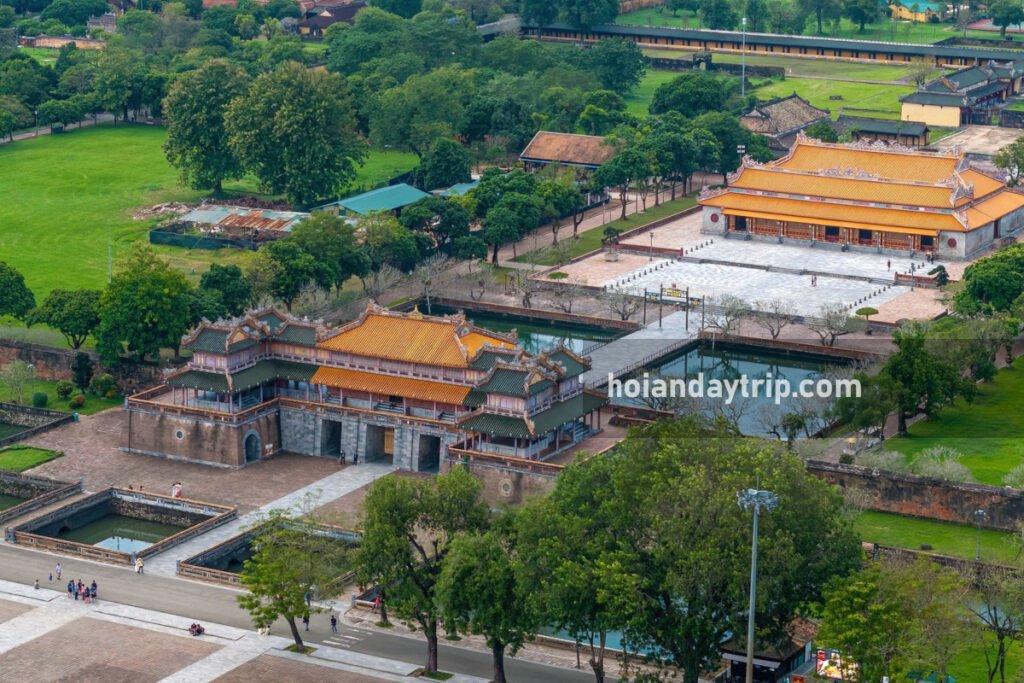
The Imperial City is a must-see attraction in Hue Vietnam. It’s a very large walled complex with hundreds of buildings and other things to see. In this article, HoiAn Day Trip Company will provide visitors the best self guided tour itinerary if don’t want to go with a local guide.
You may also like: Hoi An Self Guided Walking Tour
• Content by Tam Le, founder of HOIAN DAY TRIP CO.,LTD
• Designed by Giang Cong Minh, co-founder of LS E&C LTD and his team
• Photo by Dang Cong Loi, Dao Xuan Son, Tam Le & others
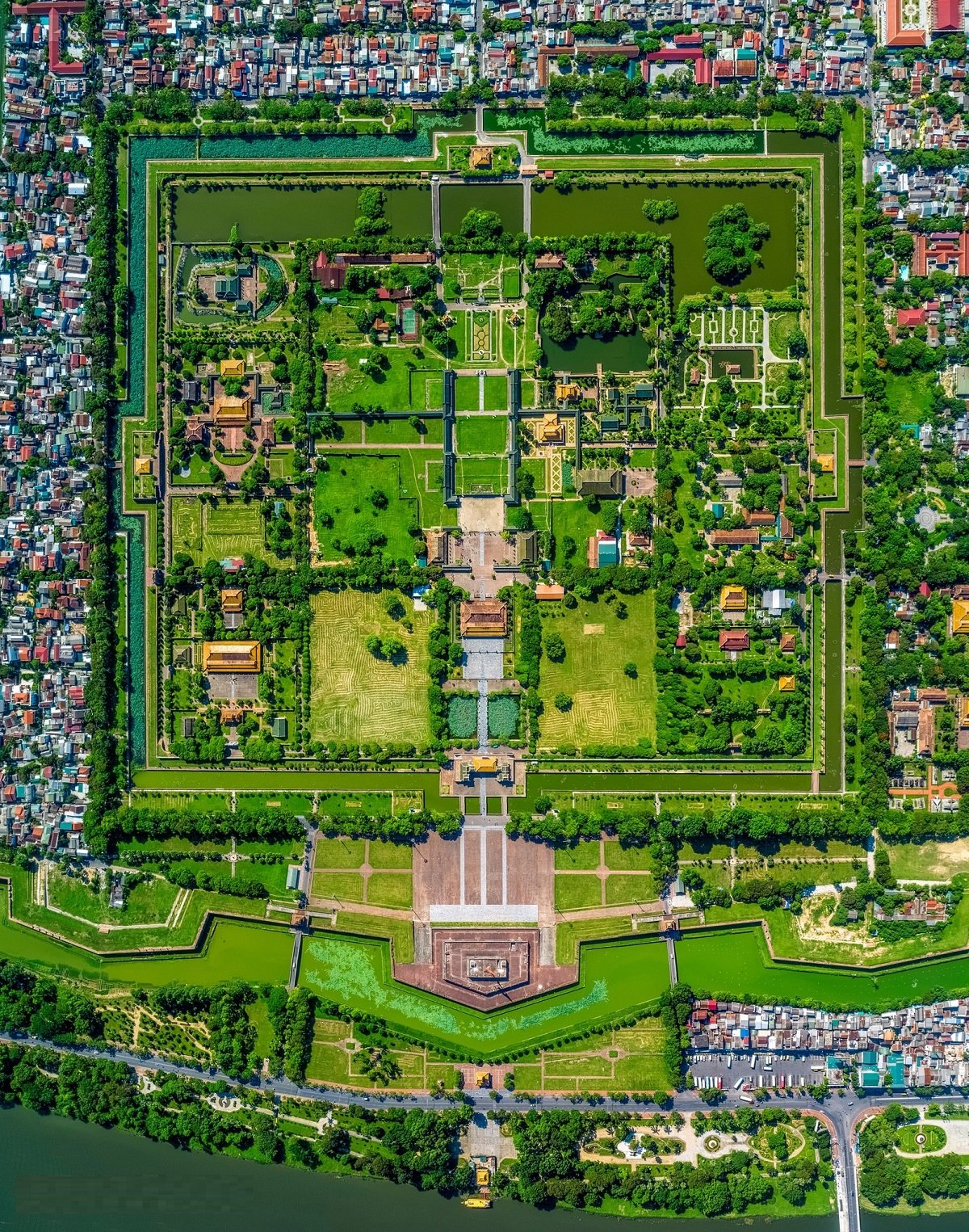
Must Knows about Hue Imperial City (Vietnam)
– Location/Address: 23 Thang 8 St, Phu Xuan district, Hue City, Vietnam
– Other name(s): Hue Imperial Citadel, Hue Royal Palace, Dai Noi (literally ‘Great Inside’)
– Opening hours: 6:30 AM to 5:30 PM (summer/dry season), 7 AM to 5 PM (winter/rainy season)
– Entrance fee: 200,000 VND for adult (2024)
– Reason(s) to visit: the seat of power of Nguyen kings who ruled Vietnam in 19th and 20th centuries, a Unesco world heritage site
– Best time to visit: early morning or late afternoon
– Time to spend: 1-3 hours
– Travel blog: https://hoiandaytrip.com/hue-imperial-city-vietnam
– Tour guide: contact +84968009827 (hotline/whatsapp/line/zalo)
– Recognition(s): Unesco world heritage site (1993)
– Food & drink: yes available
– Shopping: yes available
– Fact: the seat of power for 13 Nguyen emperors from 1802 to 1945
Hue Imperial City on Map
Best Walking Route to Visit Hue Imperial City
Note: Visitors will enter and exit Hue Imperial City by different gates. To go in, please come to the south gate (Ngo Mon Gate) and to leave the complex, go to the east gate (Hien Nhon Gate on Doan Thi Diem Street). Our recommended walking route starts and ends at these places, and covers all standing monuments.
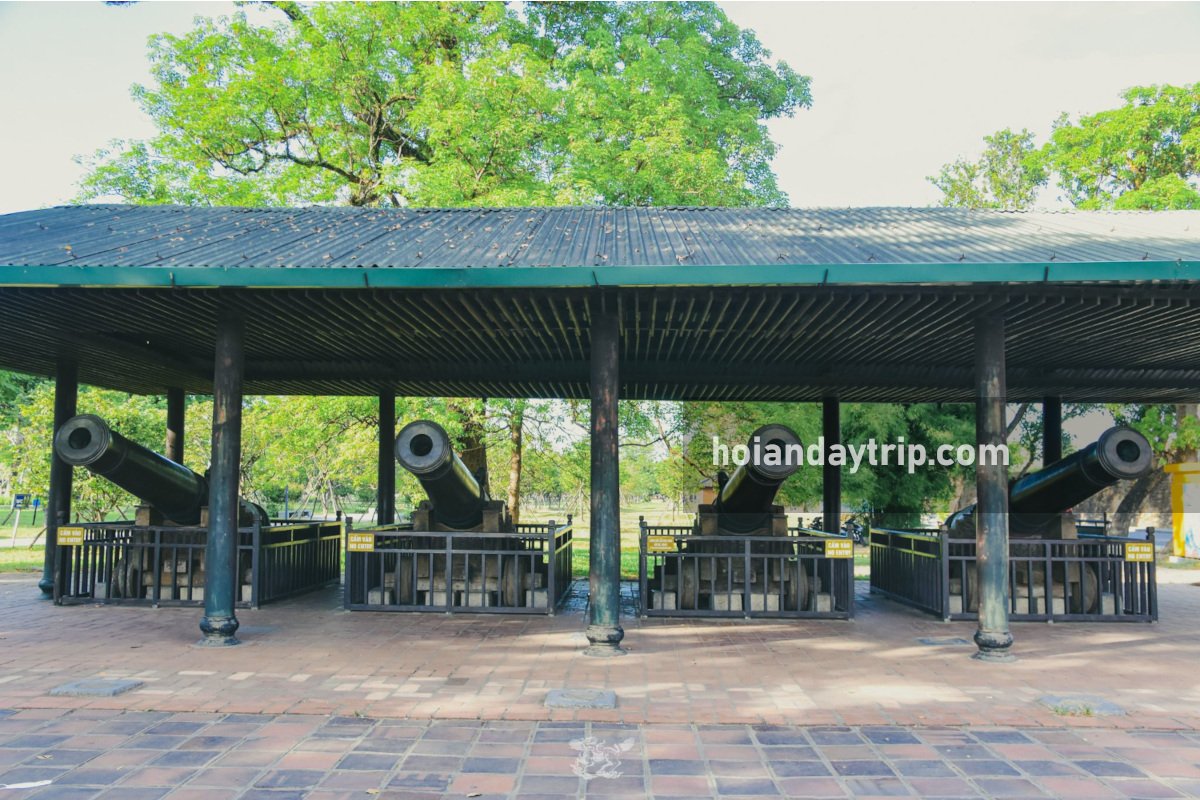
Our recommended walking tour is started at Nine Holy Cannons (Cuu Vi Than Cong) near Ngan Gate (one of 10 road gates of the Hue Citadel). This spot is only 100m from the car parking of Hue Imperial City (on Ong Ich Khiem Street) and 200m from Nguyen Hoang bus parking (on Le Duan Street).
The Nine Holy Cannons, cast in bronze by Emperor Gia Long between 1803 and 1804 from captured enemy weapons, are magnificent masterpieces that symbolize the power and unification of the Nguyen Dynasty. They are strategically named after the four seasons and five elements, and were only ever used for ceremonial purposes, serving as sacred protectors of the Hue Imperial City. See more information & details
Next, visitors need to walk towards Ngo Mon Gate (the main entrance of Hue Imperial City). Half way, on 23 Thang 8 Street, it’s possible to find a ticket office. See ticket prices of Hue Imperial City
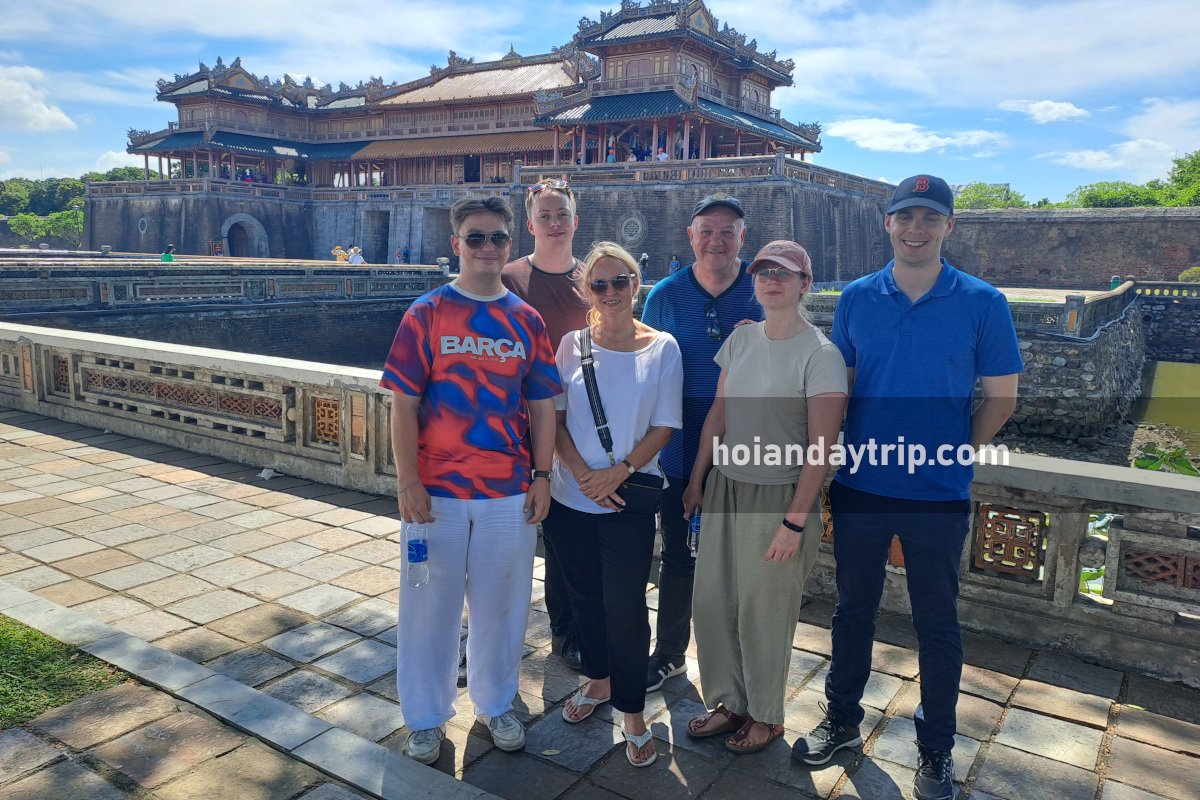
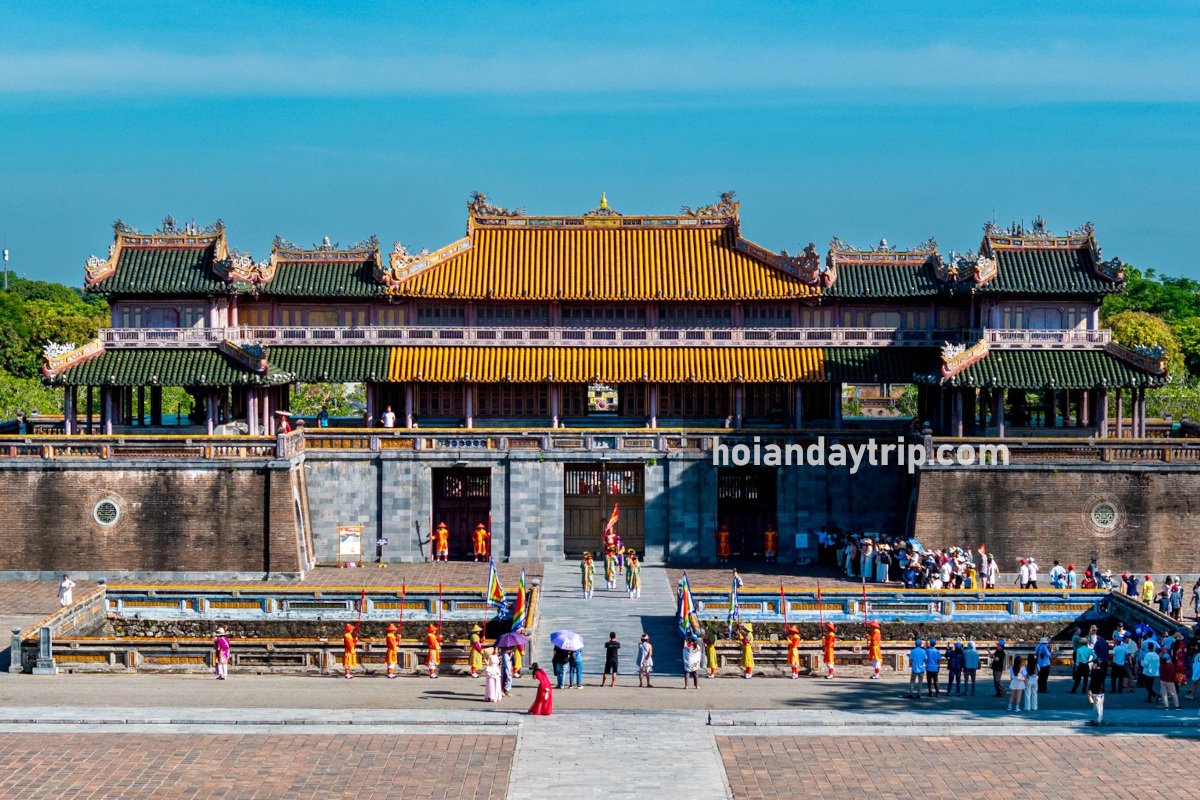
Before enter Ngo Mon Gate (Noon Gate), visitors can see Ngo Mon Square and the Flag Tower (Ky Dai):
Ngo Mon Square, situated in front of the majestic Ngo Mon Gate, served as the primary ceremonial space for the Nguyen Dynasty’s grand state functions, such as royal proclamations and welcoming foreign envoys. This open area also holds deep historical significance as the site where Emperor Bao Dai formally abdicated in 1945, marking the end of the monarchy. See more information & details
The Flag Tower of Hue, built in 1807 opposite the Noon Gate, stands as the tallest flagpole in Vietnam and is a powerful symbol of the Nguyen Dynasty’s authority within the Imperial City. This three-tiered brick structure has witnessed pivotal historical moments, including the abdication of the last emperor, marking the end of Vietnam’s feudal era. See more information & details
After ticket checking, visitors should go up to the top of Ngo Mon Gate (known as Ngu Phung Pavilion or Pavilion of Five Phoenixes). Here, have a view to the square, the flag tower, defensive walls and moats, palaces and parks inside the Imperial City.
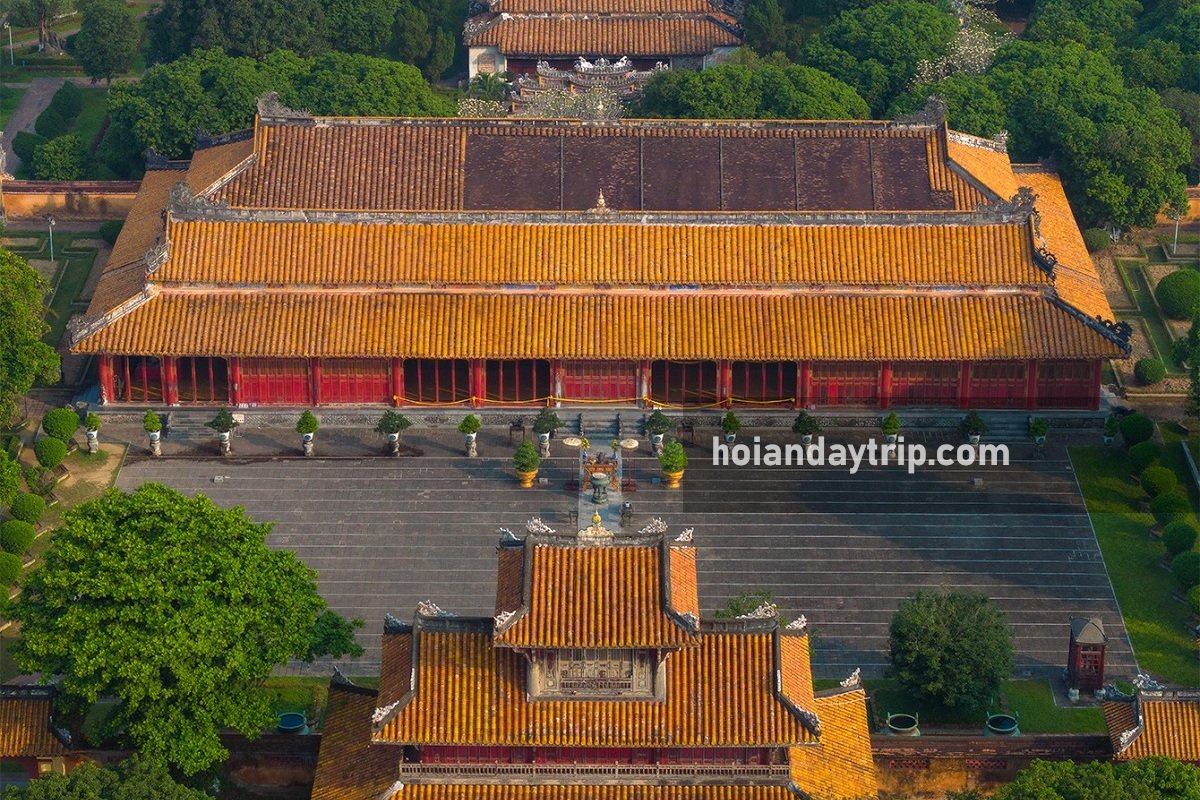
Next, go downstairs and walk to Thai Hoa Palace (Palace of Supreme Harmony). This is the first royal palace that visitors will see in the Imperial City.
Thai Hoa Palace, also known as the Palace of Supreme Harmony, was the most important ceremonial hall in the Hue Imperial City, where coronations and grand state receptions for the Nguyen emperors took place. Supported by 80 richly carved ironwood pillars, its magnificent architecture symbolizes the supreme authority and the desire for harmony within the dynasty. See more information & details
Find the road behind Thai Hoa Palace, turn left and go straight to see the back gate of The Mieu Temple complex. This complex has The Mieu Temple, Hien Lam Pavilion, Nine Dynastic Urns, and Hung Mieu Temple.
The Mieu Temple in Hue, with its main structure (The To Mieu) constructed between 1821 and 1822 under Emperor Minh Mạng, is a significant ancestral shrine dedicated to worshipping the emperors of the Nguyen Dynasty. See more information & details
The Nine Dynastic Urns are nine massive bronze vessels cast under Emperor Minh Mạng to symbolize the sovereignty, longevity, and wealth of the Nguyen Dynasty, with each one intricately engraved with motifs representing the geography and biodiversity of Vietnam. See more information & details
The Hien Lam Pavilion, built in the early 19th century under Emperor Minh Mạng, is a three-story wooden structure in the Hue Imperial City that serves as a solemn memorial to the founders of the Nguyễn Dynasty and their meritorious mandarins. See more information & details
The Hung Mieu Temple, located within the Hue Imperial City, is a dedicated ancestral shrine originally built to honor the parents of Emperor Gia Long, the founder of the Nguyễn Dynasty. See more information & details
Return to the road by the back gate of The Mieu Temple complex and then turn left, go straight. On left hand, visitors can find one of side gates of Dien Tho Residence. This residence has a cafe by the lotus pond and a souvenir shop.
Dien Tho Residence in Hue was the largest and one of the best-preserved palace complexes within the Imperial City, serving as the official residence for the Emperor’s mother and grandmother. See more information & details
Return to the road by the side gate of Dien Tho Palace, turn left and go straight. On left hand, visitors can find entrance of Truong Sanh Residence.
The Truong Sanh Residence, also known as the Longevity Palace, was built within the Hue Imperial City as a serene garden retreat and private residence for the queens and royal mothers of the Nguyễn Dynasty emperors. See more information & details
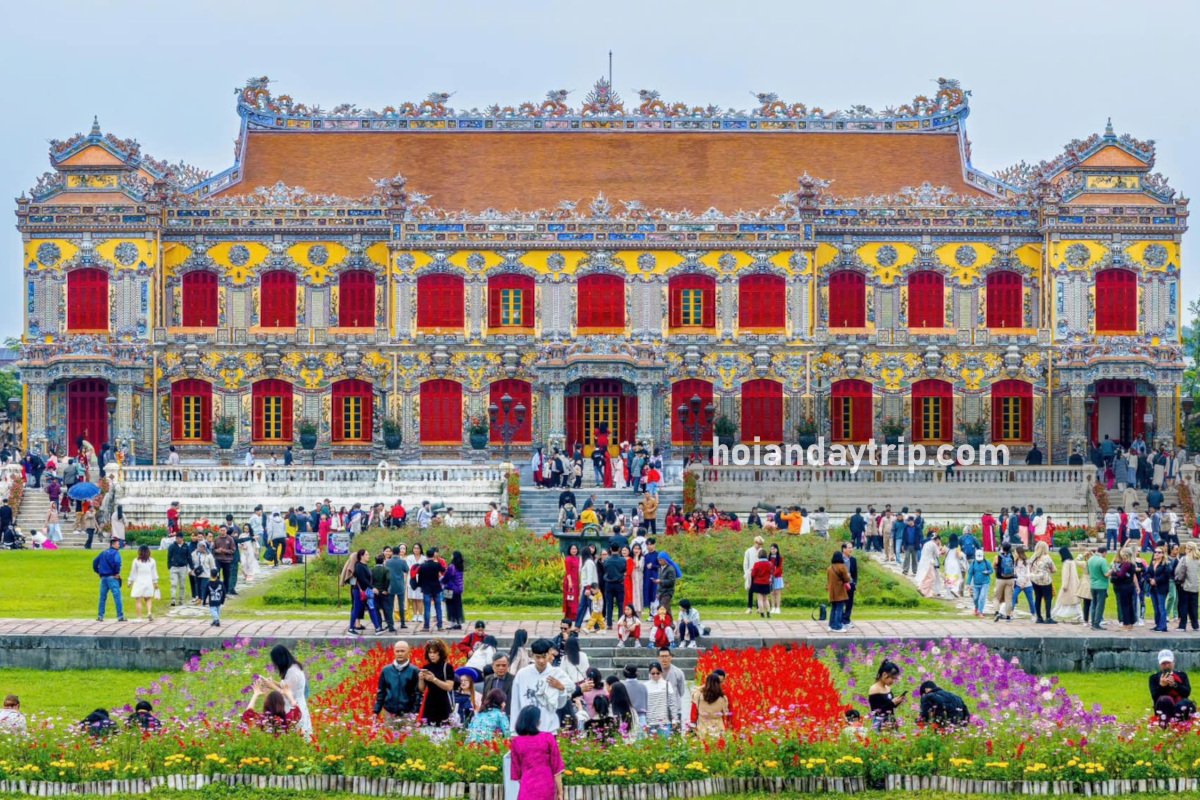
Walk back to entrance of Truong Sanh Residence, turn left and then turn right, go straight. On right hand, can find the gate behind Kien Trung Palace (so visitors need to walk into it to see the palace).
Kiến Trung Palace, a recently restored structure within Hue’s Forbidden Purple City, served as the primary residence and workplace for the last two emperors of the Nguyễn Dynasty, Khải Định and Bảo Đại. See more information & details
Go to the covered walkway in the front-left of Kien Trung Palace to see Nhat Thanh Pavilion, Thai Binh Pavilion, Thieu Phuong Garden.
The Nhat Thanh Pavilion is a two-story building within the Forbidden Purple City of the Hue Imperial Citadel, originally constructed in 1841 during Emperor Thiệu Trị’s reign, believed to have served as the emperor’s private Buddha hall or a treasury. See more information & details
The Thai Binh Pavilion (Royal Reading Pavilion) is a two-story structure nestled within the Hue Imperial Citadel that was commissioned by Emperor Khải Định and completed in 1921 to serve as a tranquil private retreat for the emperor to read, write poetry, and relax. See more information & details
Thieu Phuong Garden is a beautifully restored royal garden within the Hue Imperial Citadel, originally considered one of the most picturesque landscapes of the Nguyễn Dynasty, serving as a serene space for the emperors and royal family. See more information & details
Not far away, visitors can find Duyet Thi Duong (Royal Theater). To see the interior and exhibitions about the court music of Nguyen Dynastic, it’s needed to take shoes off.
Duyet Thi Duong is the oldest surviving royal theater in Vietnam, built in 1826 within the Forbidden Purple City of the Hue Imperial Citadel, which was exclusively used by the Emperor and royal family for enjoying classical court performances like Tuồng and UNESCO-recognized Nha Nhac (Royal Court Music).
Return to the entrance of Duyet Thi Duong Theater, turn right and then turn left, go straight to see Hien Nhon Gate (the exit of Hue Imperial City).
Hien Nhon Gate is the beautifully adorned eastern gate of the Hue Imperial Citadel, historically reserved for mandarins and men entering. See more information & details
From Hien Nhon Gate, go straight, turn right (walk along Doan Thi Diem Street) and then find Le Truc Street on left hand. Hue Museum of Royal Antiquities is located on this road.
The Hue Royal Antiquity Museum, housed in the beautiful Long An Palace, is a treasure trove preserving thousands of artifacts that showcase the opulent life, culture, and arts of Vietnam’s last imperial family, the Nguyễn Dynasty. See more information & details
To see the best walking route from the city center to Hue Imperial City and vice versa (covering famous places to see on the way), please read our blog by this link: https://hoiandaytrip.com/hue-self-guided-walking-tour/
HOIAN DAY TRIP Company daily organizes tours and transfers to Hue Imperial City. Contact us by +84968009827 (hotline/whatsapp/line/zalo) or hoiandaytripcompany@gmail.com or browse www.hoiandaytrip.com to see tours and make a reservation. Thank you very much!

Best Tours to Hue Imperial City
From Hue
Here are the best guided tours to Hue Imperial City from Hue:
– Hue City Tour Half Day: Citadel, Market, Pagoda & Dragon Boat
– Hue City Tour Full Day: Citadel, Best Royal Tombs, Pagoda & Local Food
– Hue Private City Tour
– Hue Imperial City Private Tour with Museum of Royal Antiquities
– Hue City Tour from Chan May Port
– Hue Private City Tour with Chinese Speaking Guide
HOIAN DAY TRIP Company daily organizes tours and transfers to Hue Imperial City. Contact us by +84968009827 (hotline/whatsapp/line/zalo) or hoiandaytripcompany@gmail.com or browse www.hoiandaytrip.com to see tours and make a reservation. Thank you very much!
From Da Nang/Hoi An
Here are the best guided tours to Hue Imperial City from Da Nang/Hoi An:
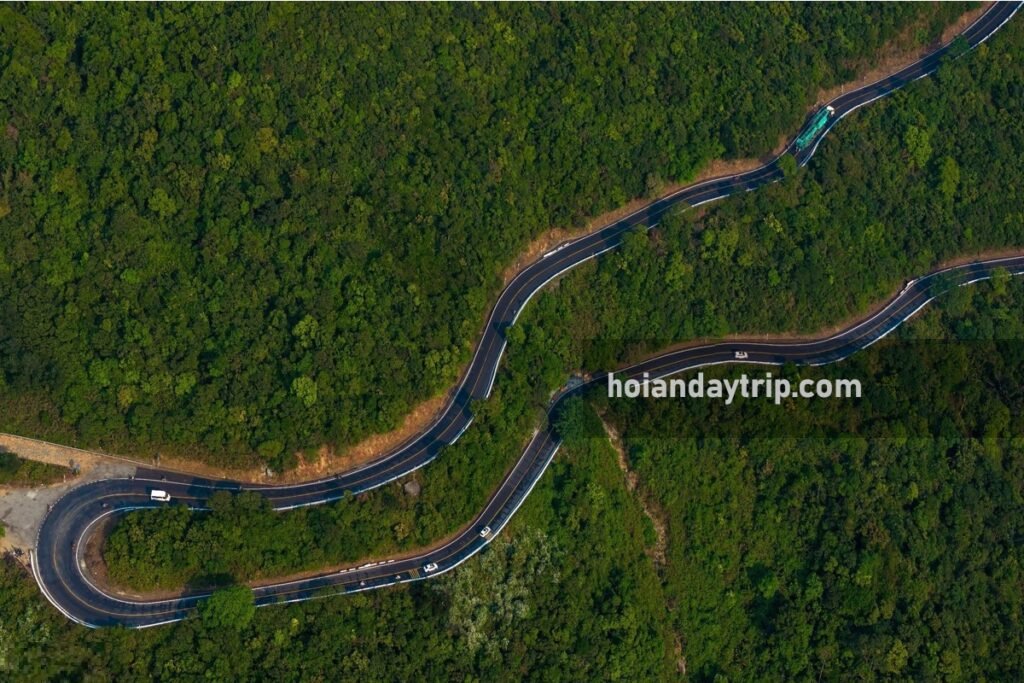
– Hue Private Day Tour from Da Nang: Hai Van Pass, Unesco Sites & Local Food
– Hue Private Day Tour from Hoi An
– Hue Citadel Tour by Train through Hai Van Pass
– Hue Imperial City Tour from Da Nang (only Imperial City and lunch)
HOIAN DAY TRIP Company daily organizes tours and transfers to Hue Imperial City. Contact us by +84968009827 (hotline/whatsapp/line/zalo) or hoiandaytripcompany@gmail.com or browse www.hoiandaytrip.com to see tours and make a reservation. Thank you very much!