List of Street Food in Hoi An Vietnam
Com Ga (Hoi An Chicken Rice)
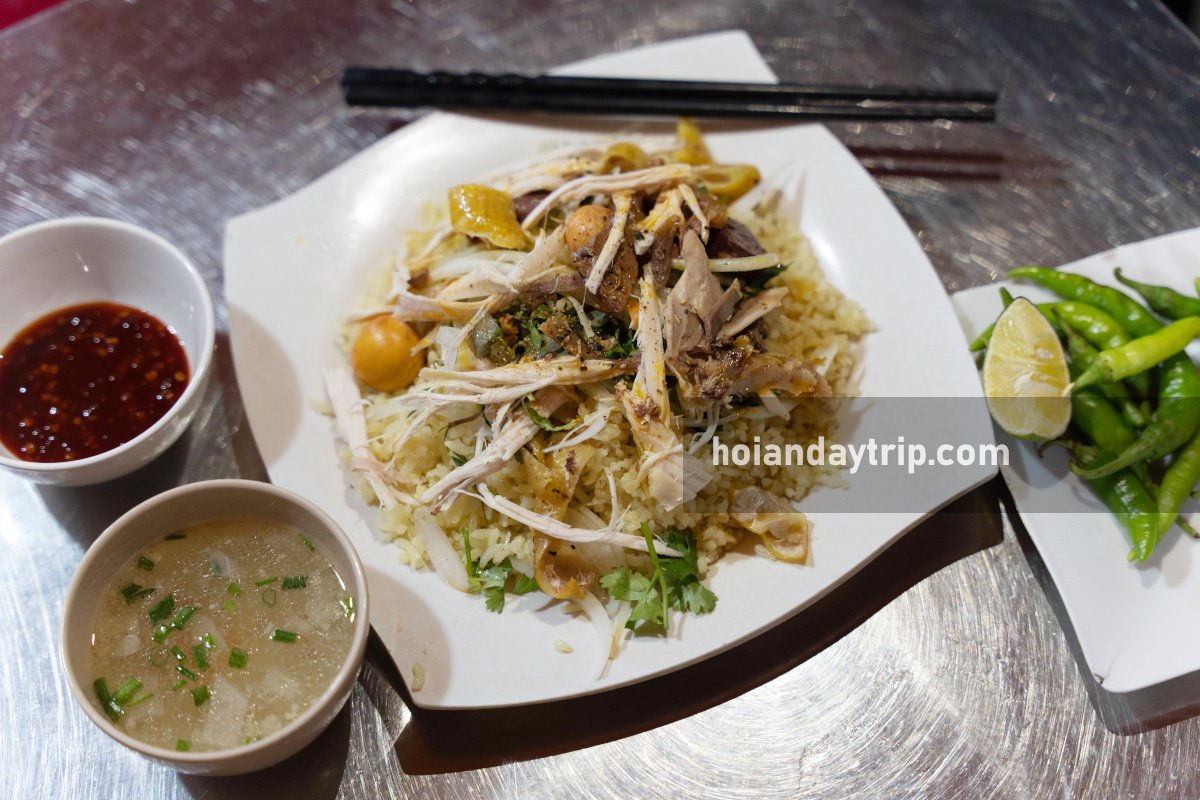
Hoi An chicken rice has some differences from other Vietnamese and Chinese chicken rice. A dish often includes steamed rice, shredded boiled chicken, shredded green papaya, Vietnamese coriander (rau ram), sliced white onion. The rice is yellow because local people cook it with the broth left after boiling the chicken (or chicken fat makes the rice yellow). To eat, it’s needed to mix all ingredients together and Hoi An chilli sauce/jam, lime or fresh chilli can be added to have more flavours. A small bowl of chicken organs and blood soup is served as a side dish. This Hoi An’s specialty food is sold at street stalls and roadside eateries, besides restaurants. See more information & details
Banh Uot Thit Nuong (Hoi An Grilled Pork)
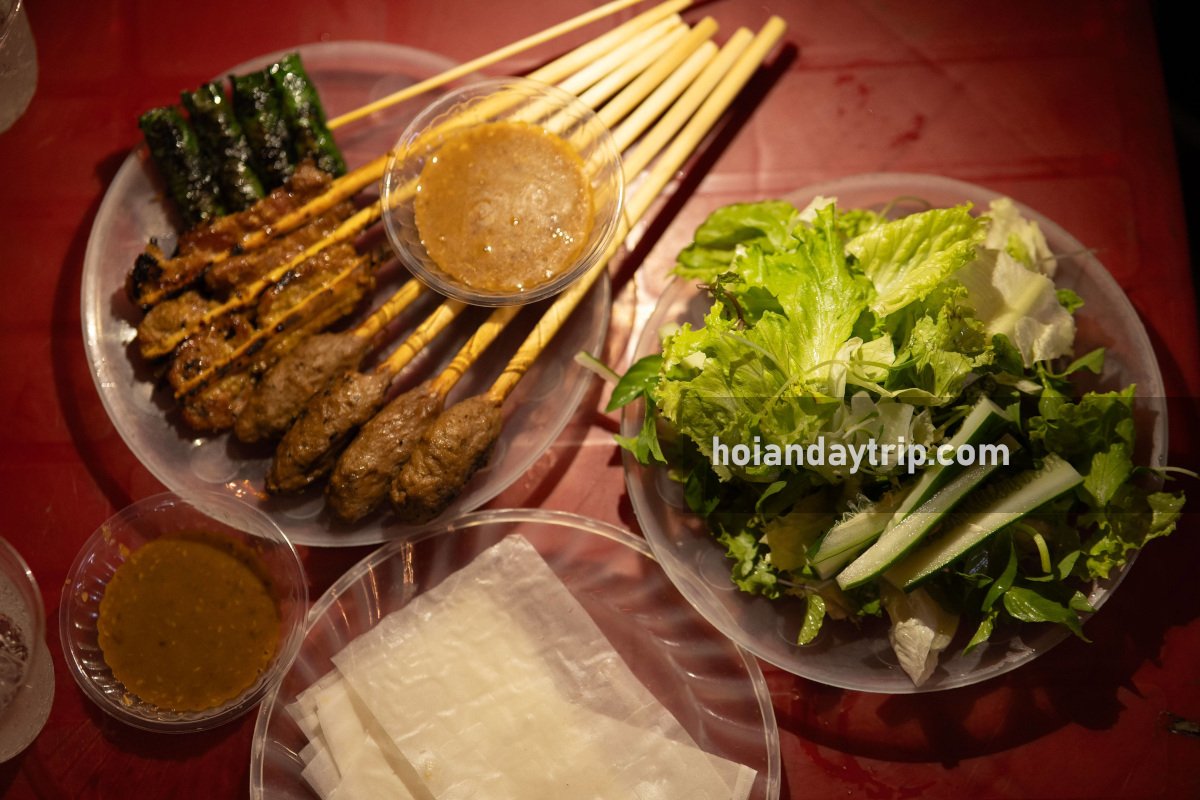
Around Hoi An old streets and night markets, visitors will see local vendors selling this food on the pavement. A full set includes grilled pork skewers, wet rice paper, rice paper, raw vegetables and herbs, and dipping sauce. To eat, local people firstly pick a wet rice paper to top the rice paper. After that, remove the grilled pork from the skewer, and then put it on the top of the rice papers. The next step is putting raw vegetables and herbs on the rice paper and rolling everything together. The dipping sauce is mainly made of peanuts, fish sauce and some spices. See more information & details
Nem Lui (Grilled Pork Skewer)
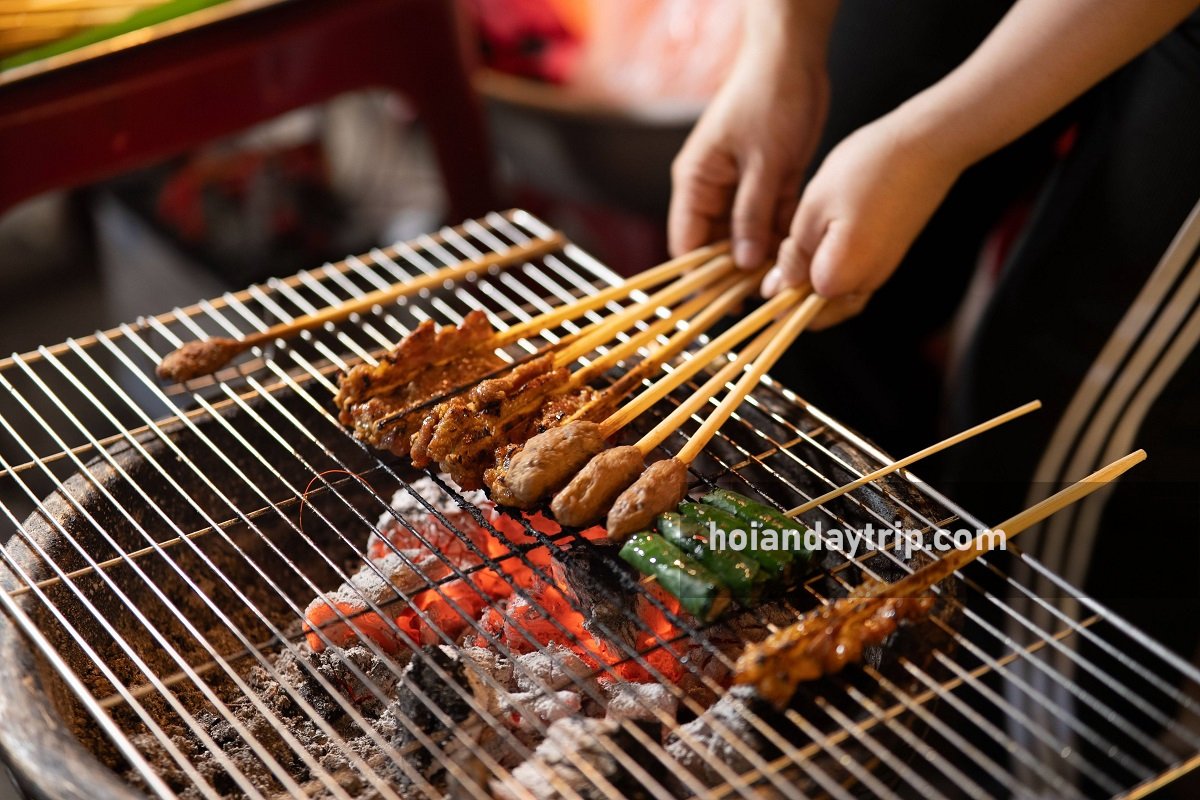
Originating from Hue city, north of Hoi An, Nem lui (pork skewers) is one of the best street foods to eat in Hoi An. It’s often sold at the same place where people serve grilled pork skewer rice paper (banh uot thit nuong). A nem lui is the minced pork wrapped around the top of a lemongrass, and then all grilled. Sometimes, lemongrass is replaced by bamboo sticks. To eat, it’s needed to remove the pork and then wrap it with rice paper and raw vegetables. The dipping sauce is made from peanuts, fish sauce and spices. See more information & details
Bo Nuong La Lot (Grilled Beef Wrapped in Betel Leaf)
The grilled beef wrapped in betel leaf or bo nuong la lot is made by beef and betel leaves. First of all, local people wrap the beef in one betel leaf and then use a toothpick to stick them together. After that, stab through it with a bamboo stick and then grill on the barbecue. Visitors can eat it alone or with dipping sauce (fish sauce) or with rice noodles. Somebody likes to fill the bread with this snack, together with raw vegetables, herbs and sauces. See more information & details
Banh Trang Nuong (Grilled Rice Paper)
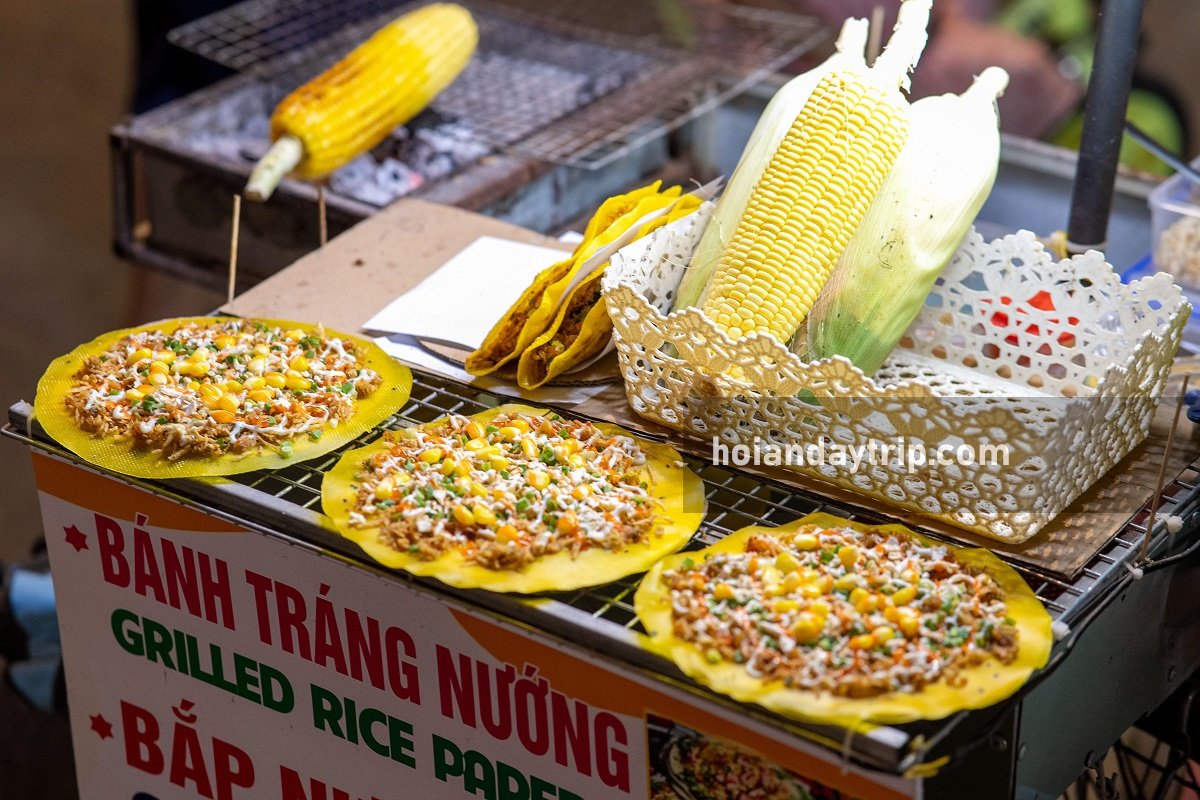
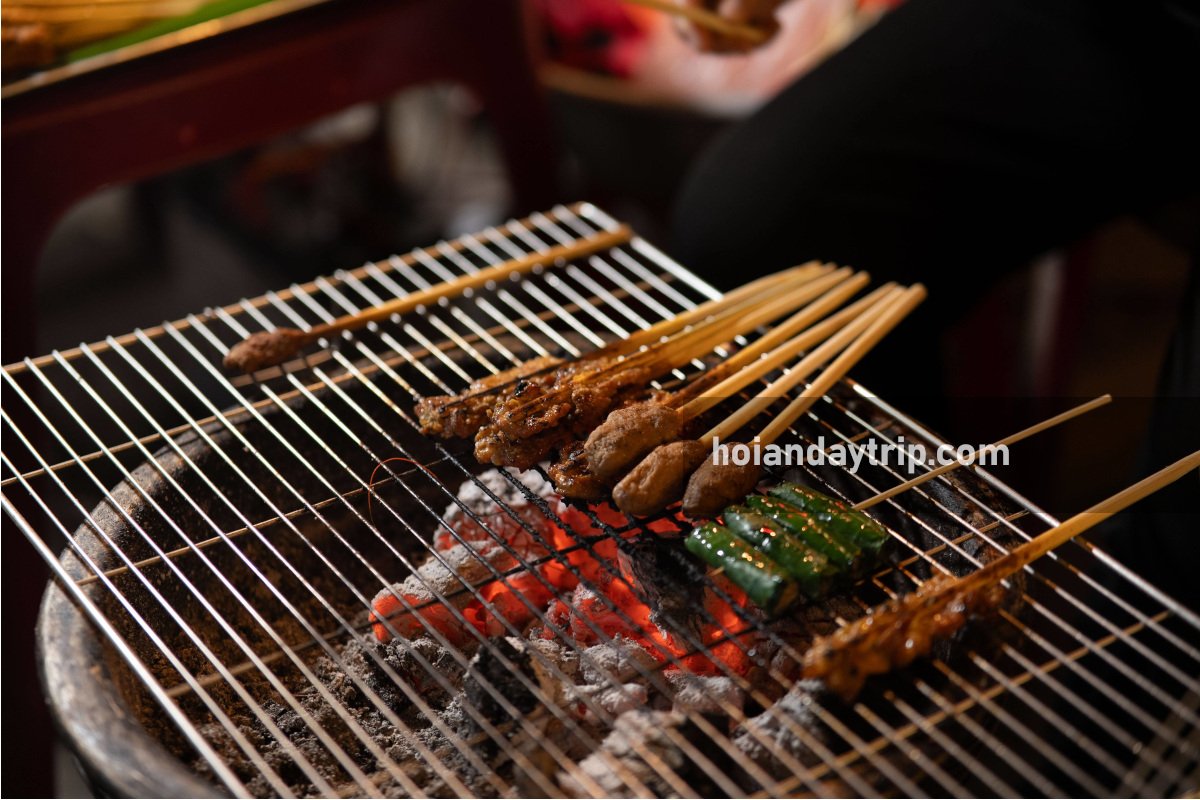
A grilled rice paper or banh trang nuong is made with rice paper, butter, quail egg, spring onion, fried shallot, tomato/chilli sauce. It’s known as ‘Vietnamese pizza’. To make it, local people put the rice paper on the barbecue and then quickly spread butter and quail egg on its surface. After that, add chopped spring onion, fried shallot, and tomato/chilli sauce. To eat, visitors can choose to cut the cake into 8 pieces or fold it in half and then cut. At night markets, it’s easy to find vendors/stalls selling this street snack. See more information & details
Banh Chuoi (Banana Pancake)
Visitors often see banana pancakes at night markets in Hoi An. It’s simply made of wheat flour, ripe banana, cocoa spread, chocolate sauce or condensed milk. To make it, locals spread the dough onto the pan and then fold it into a squared shape after topping it with banana slices. To sweeten, cocoa spread, chocolate sauce or condensed milk are added. This is one of tourist’s favourite local desserts. See more information & details

Banh Xoai (Mango Cake)
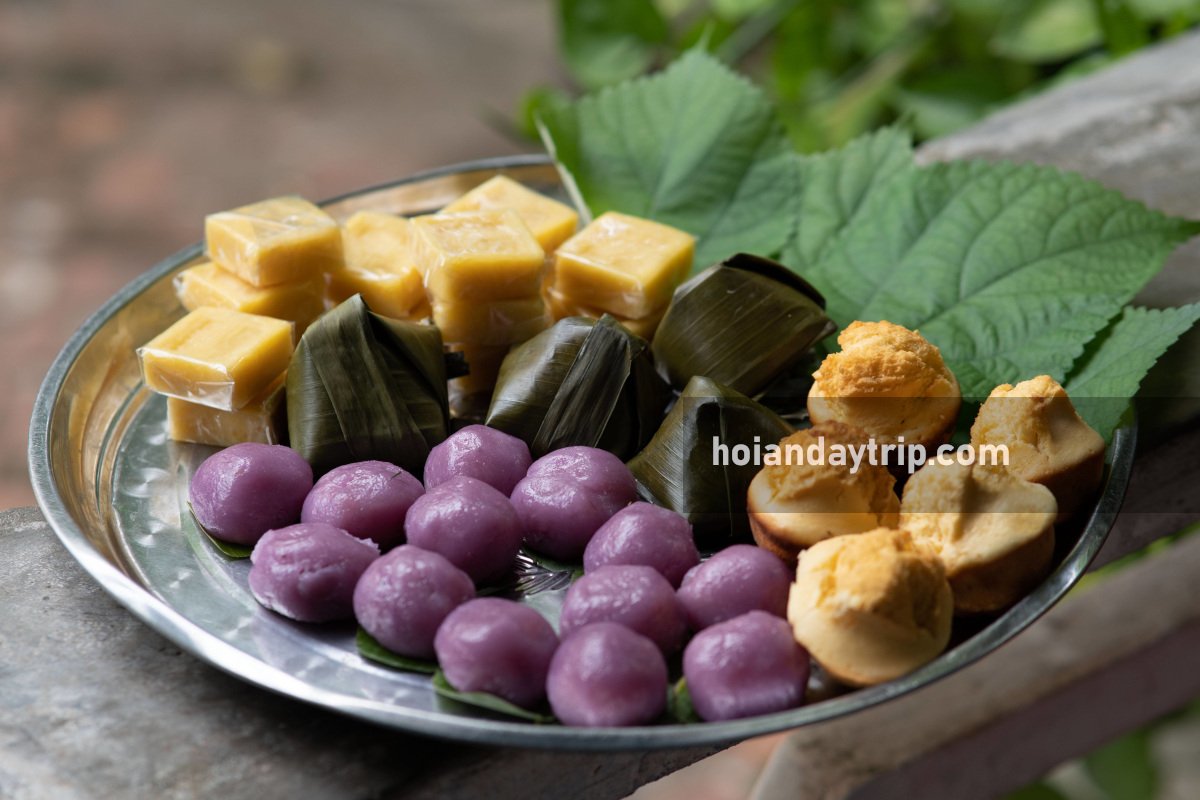
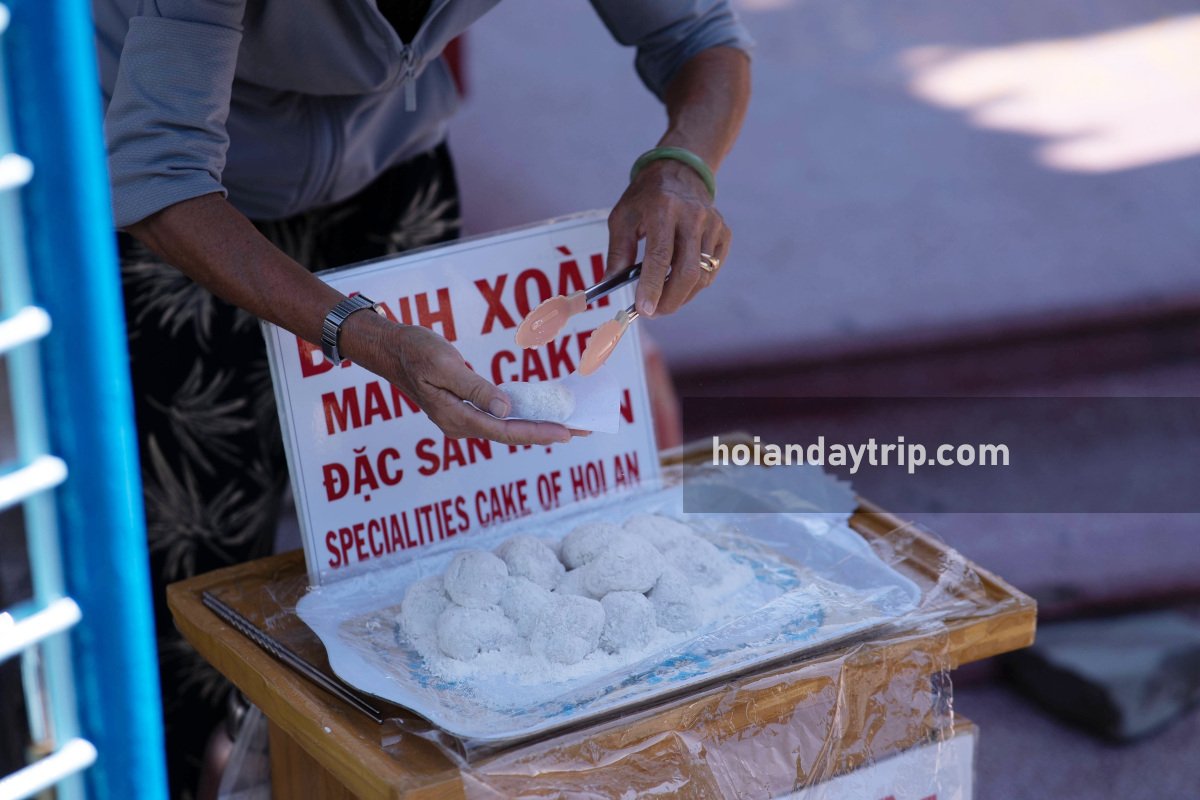
Hoi An mango cake is a small cake made by glutinous rice flour, roasting peanut, roasting sesame, sugar and salt. So, it has no mango! Local people explain its name that its shape looks like a mango. To be not sticky for fingers when eat, rice flour will be used. To try, visitors need to find vendors on main streets of Hoi An’s Old Town or around the Central Market. See more information & details
Chuoi Nep Nuong (Grilled Banana Sticky Rice)
This dish is the ripe banana wrapped fully by sticky rice and then grilled on the barbecue. After that, local people will cut it into small pieces and then add coconut milk to sweeten. Although simple, no doubt, it’s one of the most favourite local desserts for tourists. To find and try, it’s needed to go to night markets and pedestrian streets within the Hoi An Old Town world heritage area. See more information & details

Banh Canh (Thick Noodle Soup)
Banh canh or thick noodle soup in Hoi An is made by tapioca noodles, pork bone broth, pork bones or knuckles, steamed and fried fishcakes, quail eggs, spring onion, coriander, ground black pepper. Local people will add pickled onion and carrot, fresh chilli, fish sauce, chilli sauce, Hoi An chilli sauce, lime juice to have more flavours. To find this noodle dish, visitors need to go to the surrounding area of Tan An Market (aka Tiger Market) in the late afternoon (just before local dinner time). See more information & details
Banh Mi Sandwich
Banh Mi stalls are found across Hoi An. Here, a banh mi sandwich is a wheat bread filled with pork liver pate, mayonnaise, meats, raw vegetables, fresh herbs, and sauces. Meat options are diverse, including pork, beef, chicken, egg, pork sausage, beef sausage, Chinese sausage, grilled pork, char siu pork belly,… The sauce is made from soy sauce or fish sauce, purple onion, sugar, seasoning powder, chilli,… People can add fresh chilli, ground chilli, or Hoi An chilli sauce or common chilli sauce if like to eat spicy food. Banh mi in Hoi An is known as the most delicious banh mi in Vietnam. See more information & details

Banh Can (Mini Pancake)
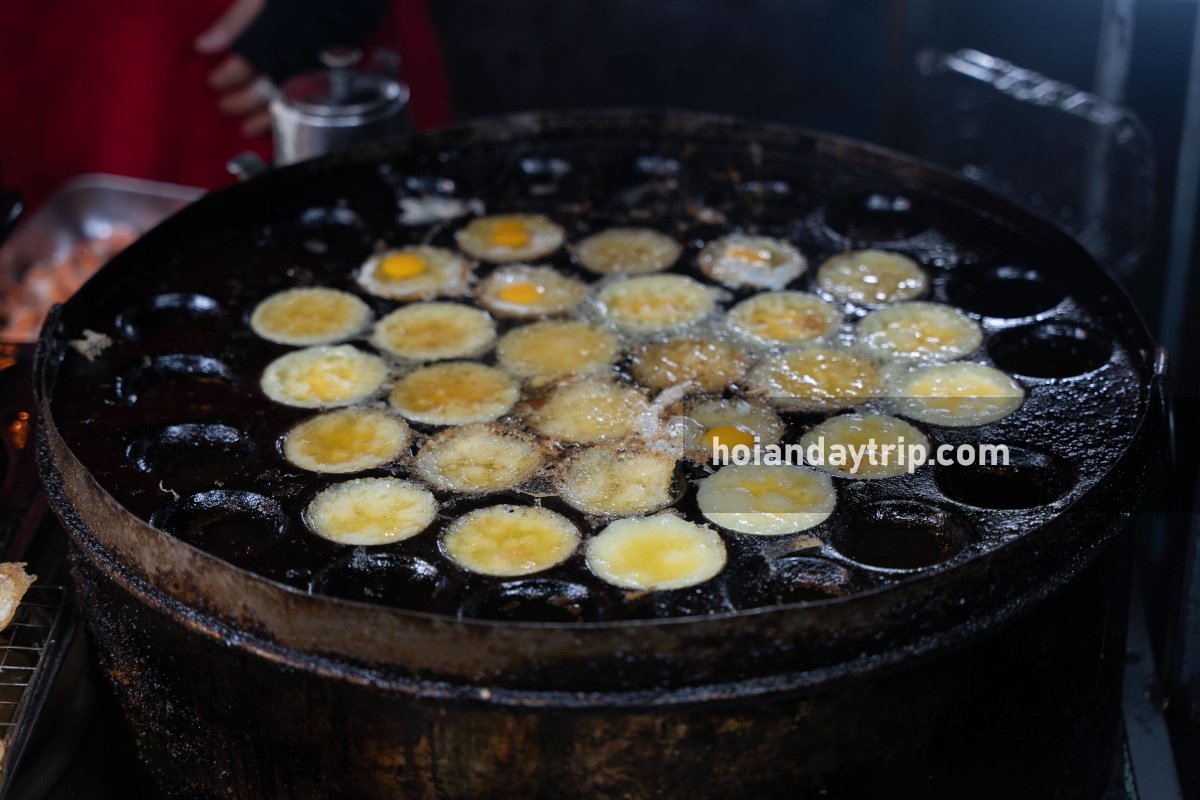
This traditional rice cake is made by rice milk, coming from rice after grinded or mixing the rice flour with water. The rice milk will be fried by an ebelskiver pan which has many holes, together with a quail egg or pork sausage. Local people eat it with raw vegetables and dip into a fish sauce. Due to its small size, it’s called ‘mini pancake’. Sometimes, turmeric powder is put into the rice milk, to make the pancakes yellow that look more yummy. See more information & details
Banh Dap (‘Smashing Rice Paper’)
It’s very simple to make this special food of Hoi An. Local people just use a wet rice paper to put on the top of a grilled rice paper and after that, use another grilled rice paper to place on the wet paper. The next step is using your hand to smash the cake to break it into smaller pieces. To eat, dip these pieces into the fermented anchovy fish sauce (mam nem) which has fried shallots and chilli. See more information & details
Banh Nuong Mo Hanh (Grilled Corn with Scallion Oil)
Trung Nuong (Grilled Egg)
Oc Hut (‘Sucking Snails’)
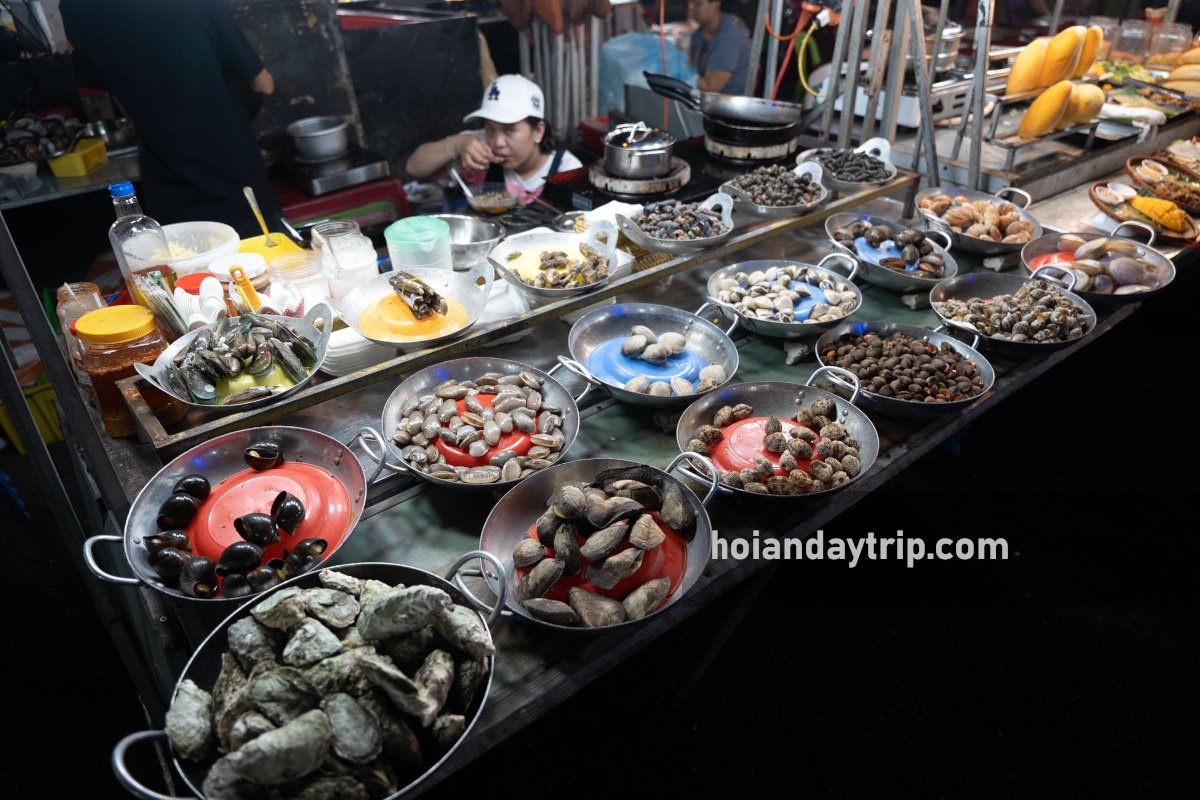
Oc hut or ‘sucking snails’ is typical of the central Vietnam region. The snail used to cook is collected in rice fields and rivers, or raised in the farm. To make the dish, firstly local people soak snails in freshwater, to let them release the dirty. After that, they are cooked with salt, lemongrass, lemon leaves, and chilli. To eat, locals use the toothpick or lemon thorns to pick the snail meat and dip it into the fish sauce. In Hoi An, grilled rice paper is also served, to break and dip into the savory broth. See more information & details
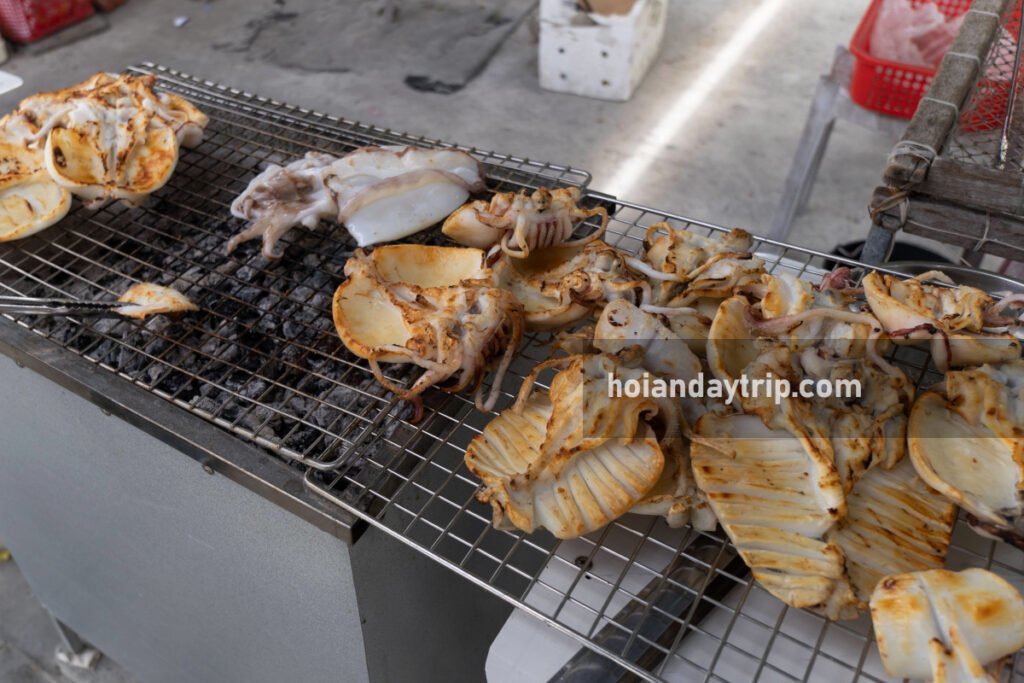
Muc Rim (Caramelized Squid)
Da Tron (Pork Skin Salad)
Hoi An Black Sesame Soup
Che Xi Ma Phu (Black Sesame Soup) is brought to Hoi An by Cantonese people who moved to the town some hundreds of years ago. It’s made by roasted black sesame (me den), cane sugar, sweet potato (khoai lang), kudzu or arrowroot powder (bot san day) pennywort or centella asiatica (rau ma), paederia lanuginosa or ‘dream leaf’ (la mo), and water from Ba Le Well. It’s referred to as a snack to eat on hot days or before dinner. It’s served in small ceramic bowls, when it’s still warm. See more information & details

Che (Sweet Soup)
This is the traditional and most popular local dessert in Vietnam. Che or sweet soup has a wide variety of distinct soups and puddings. Local people can use sweet corn, lots of type of beans and seeds (kidney beans, mung beans, black-eyed beans, lotus seed, sugar palm seeds, etc), fruits (longan, mango, lychee, durian, jackfruit, rambutan, water coconut, etc), jelly and tapioca puddings, coconut milk. In Hoi An, popular ingredients are mung beans, white beans, kidney beans, sweet corn, lotus seed (seasonal), and smashed mung beans. A bowl or cup of cheese often has ice because it’s sweet. See more information & details
Trung Vit Lon (Fetal Duck Egg)
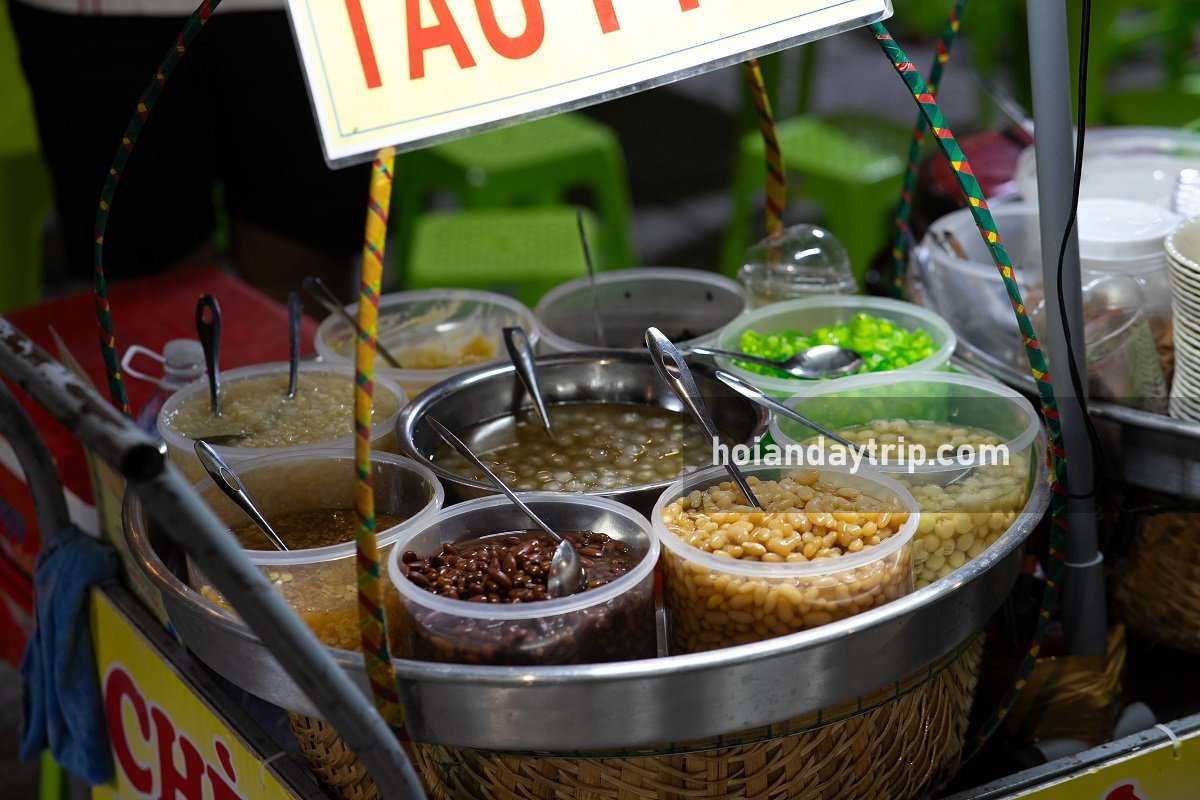
Tao Pho (Tofu Pudding)
Tau hu or tofu pudding is one of traditional desserts in Hoi An. A bowl of this food has young tofu (made by soybeans), ice, syrup with ginger and pineapple, and toppings (tapioca pearls, black or white jelly, coconut milk, sweet corn soup, beans, etc). In general, it’s sweet and often sold at street vendors around tourist spots within Hoi An’s Old Town. Compared to Che (Vietnamese sweet soup), visitors may have more selections. See more information & details
Kem Ong (‘Tube’ Ice Cream)
Kem ong or ‘tube’ ice cream is the traditional ice cream in Hoi An. It’s made from condensed milk and water, and colored by fruit juice or syrup. Local vendors sell the ice cream with the flavour of coconut, mango, water melon, black bean, mung bean, etc. If go to night markets, visitors will have the chance to see them. See more information & details
Banh Beo (Steamed Rice Cake)
Banh beo or savory steamed rice cake is one of the most favourite street snacks in late afternoon. It originates from Hue, the old capital city of Vietnam, north of Hoi An. It’s made by rice milk contained in the bowl and then steamed. To eat, local people top it by a shrimp sauce, crispy rice noodle, fried shallot and add fish sauce or Hoi An chilli sauce for more flavours. See more information & details

Banh Bot Loc (Tapioca Dumpling)
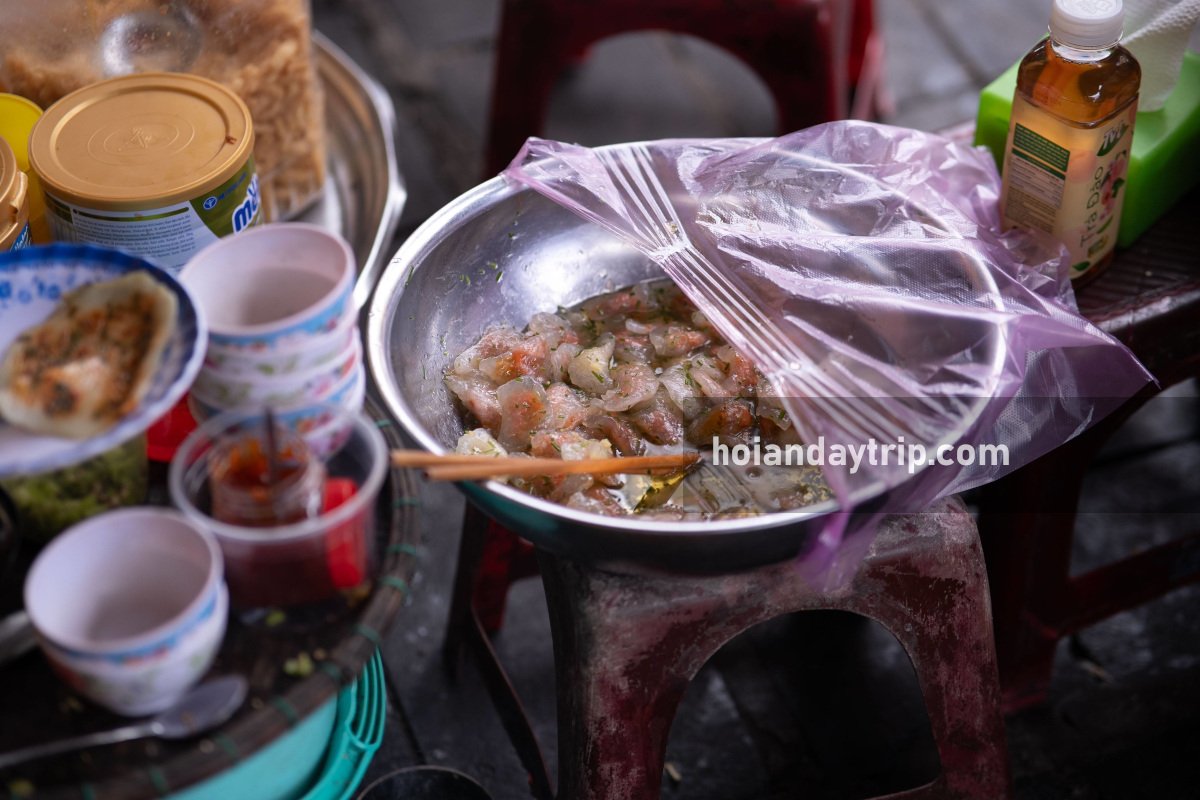
Sold at vendors or street stalls around Hoi An in late afternoon, Banh bot loc or tapioca dumpling is the favourite street food for many people. It’s made by tapioca flour, with filling of pork belly and shrimp. The cake will be steamed and then served with fish sauce and fried shallot or Vietnamese mini pork sausage or fermented pork (nem chua). In common, visitors can find banh beo (savory steamed rice cakes) and banh nam (flat steamed rice cake) in the same place. All of these dumplings origin from Hue, 120km north of Hoi An. See more information & details
Mi Quang Noodles
Mi Quang or Quang Noodle originates from Quang Nam province where Hoi An is located. A bowl of this food includes rice noodle, pork/beef/chicken/snakehead fish (most popularly pork), shrimp, quail egg, savory broth, roasting peanuts, grilled rice paper. Raw vegetables and fresh herbs are served as side dishes. To eat, local people just mix everything. Besides common Quang noodle, ‘Mi Quang Phu Chiem’ which means Quang noodle from Phu Chiem village is believed to be better for eating. See more information & details
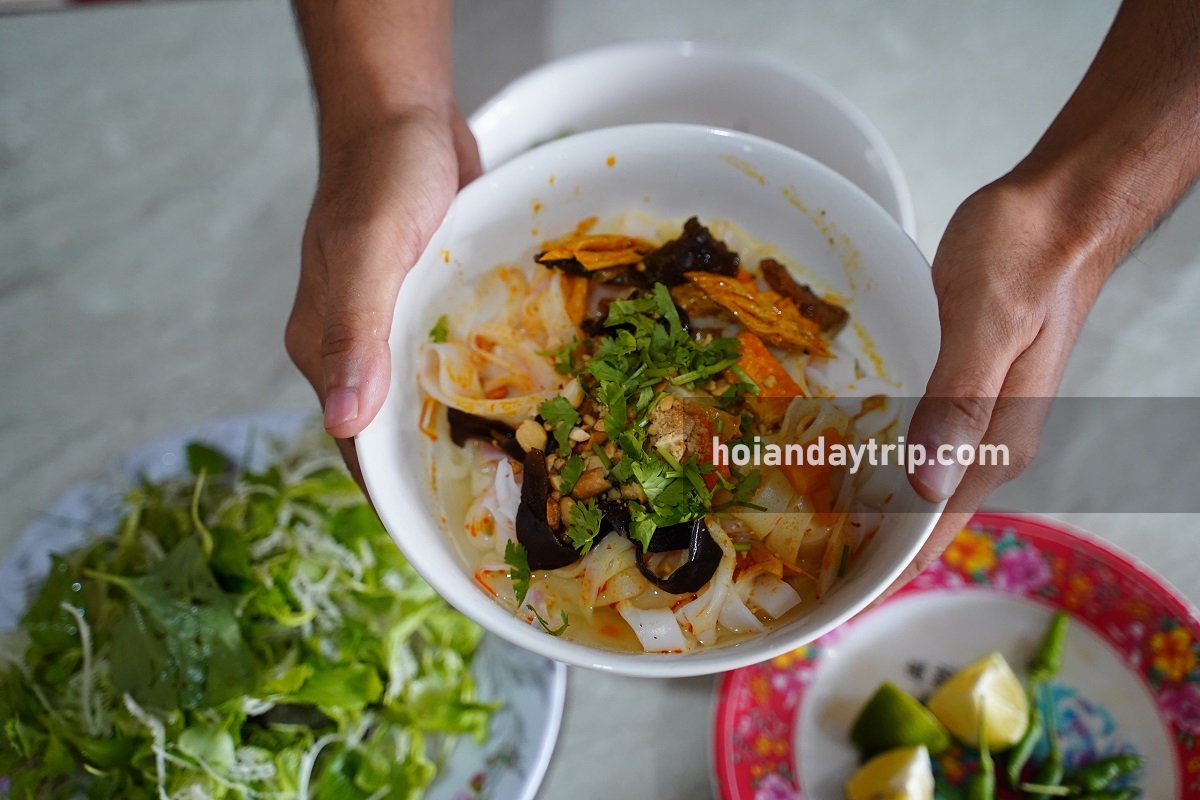
Bun Tron Chay (Vegetarian Rice Noodle Salad)
Bun tron chay (vegetarian rice noodle salad) is sold by vendors and local eateries in Hoi An when local people eat vegetarian on 1st and 15th days every lunar month. It comprises rice noodles (dried rice noodles and then boiled), vegetarian sausage (made by tofu skin), wood ear (mushroom), fried tofu, roasting peanuts, raw vegetables and herbs. To eat, people will put all ingredients into the bowl and mix with lime juice, chilli or chilli sauce, and soy bean sauce. See more information & details
Duck Porridge (Chao Vit)
The duck porridge (Chao vit) at Da Nang simply is made by rice porridge, boiled duck and then chopped, ground pepper, spring onion, coriander leaf. For more flavours, people will add fish sauce with ginger and chilli. If like to eat more meat, the best way is to eat a duck salad in which boiled duck is mixed with green mango, green banana, star fruit and herbs. See more information & details
Bun Bo Hue (Beef Noodle Soup)
Bun bo Hue means ‘beef noodle soup from Hue’ because this noodle dish originates from Hue city near Da Nang. Lots of Hue people live in the city. The food is made of beef, beef bones broth, pork knuckles, pork blood curd, shrimp ball, rice vermicelli, white onion, Vietnamese coriander, ground pepper. The broth is cooked from beef bones, fresh water, lemongrass, chili, shrimp paste, and purple onion. That’s why it becomes bold and savory, mouth watering. Raw vegetables and herbs will be served as a side dish. For more flavours, people add lime juice, chilli, chilli sauce, fish sauce, shrimp paste, etc. See more information & details
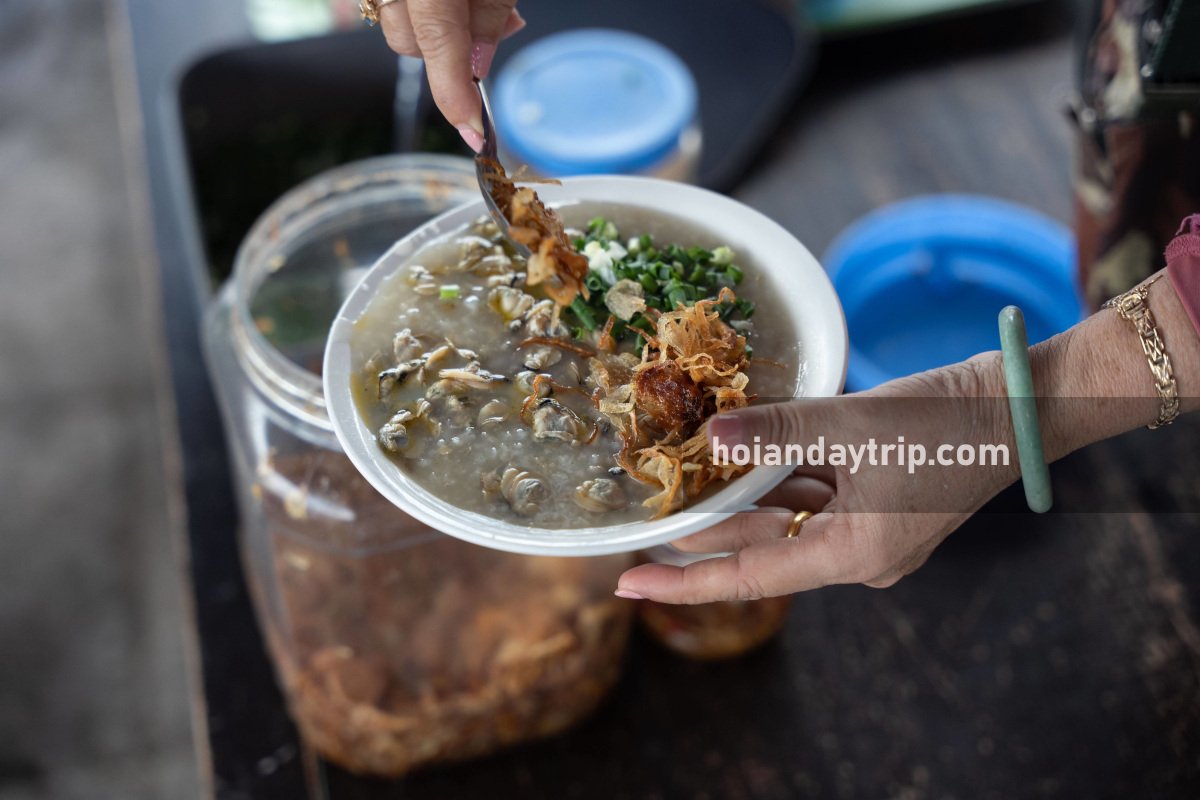
Chao Ngheu (Clam Porridge)
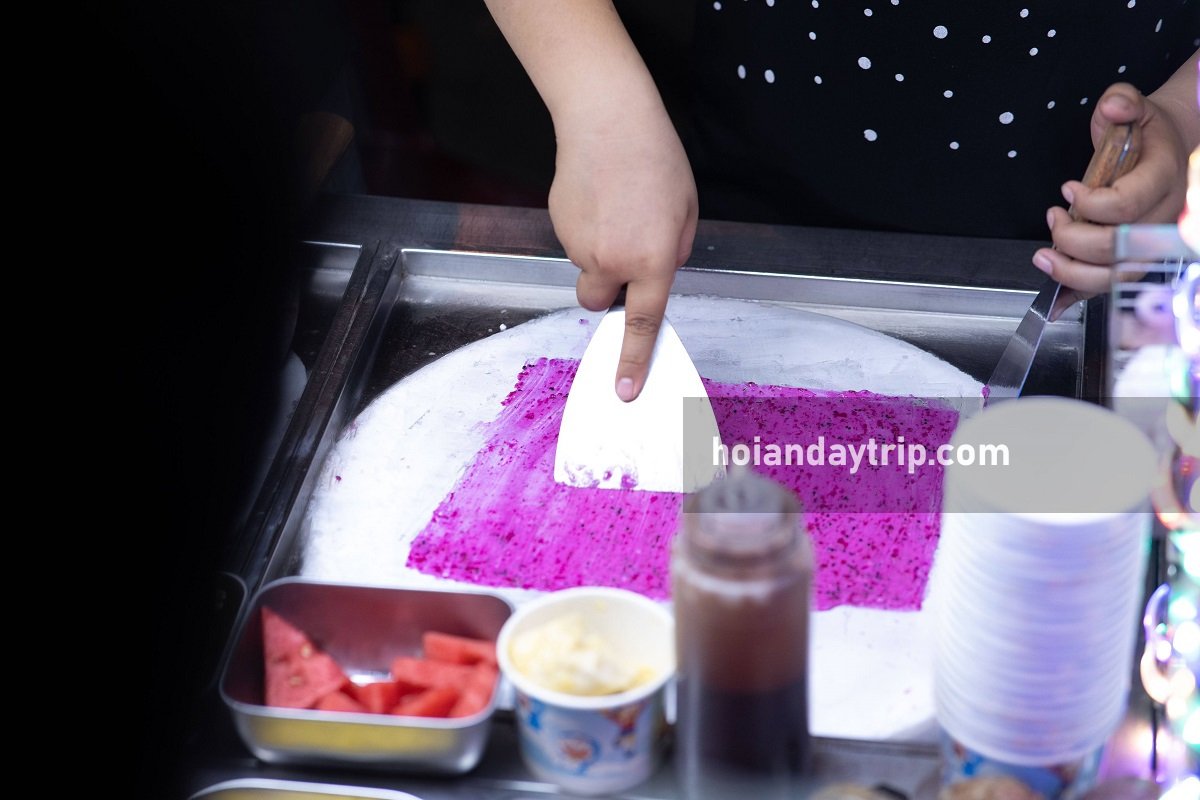
Kem Cuon (Ice Cream Rolls)
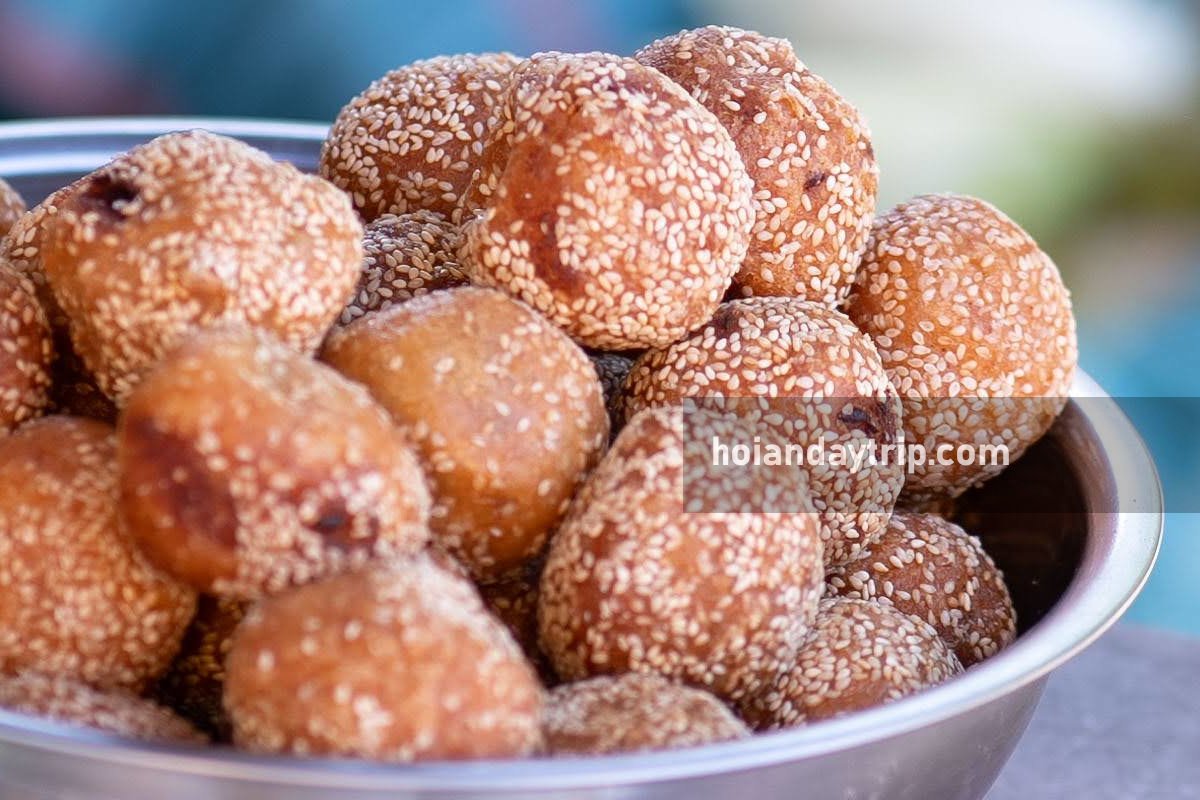
Banh Cam (Sesame Balls)
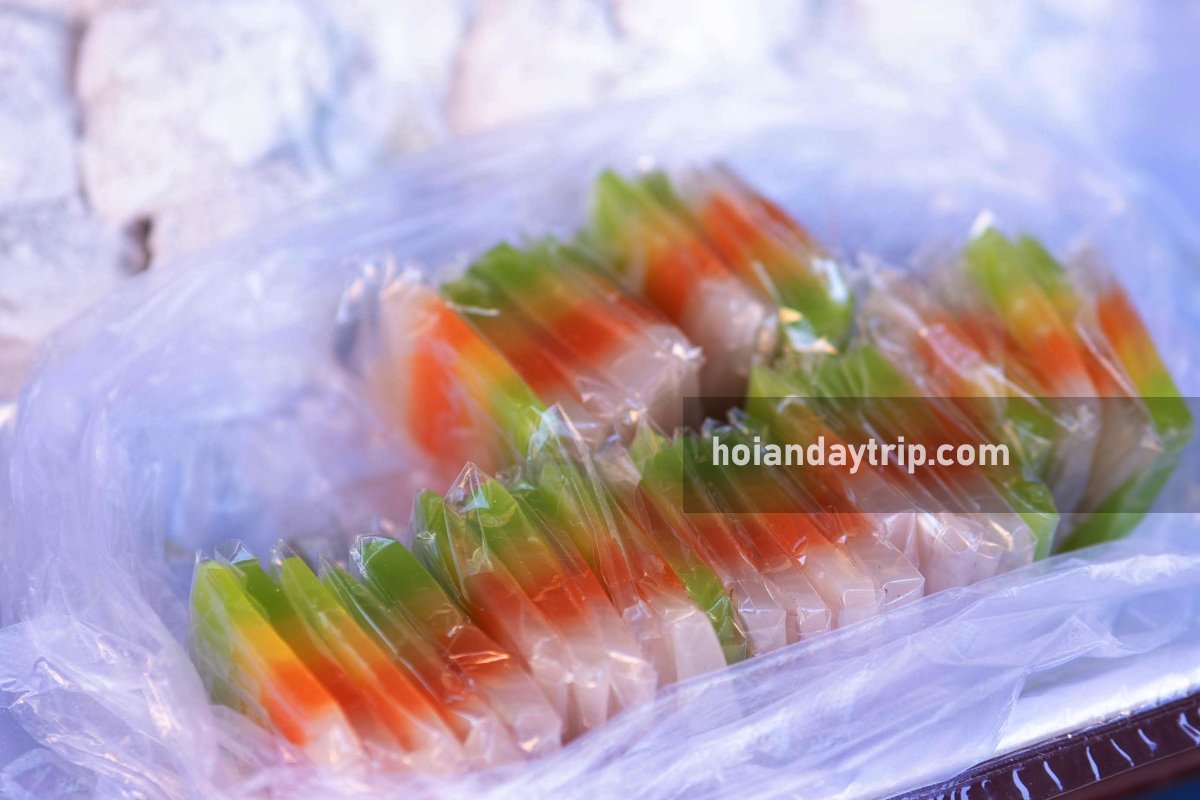
Banh Da Lon (Pig Skin Cake)
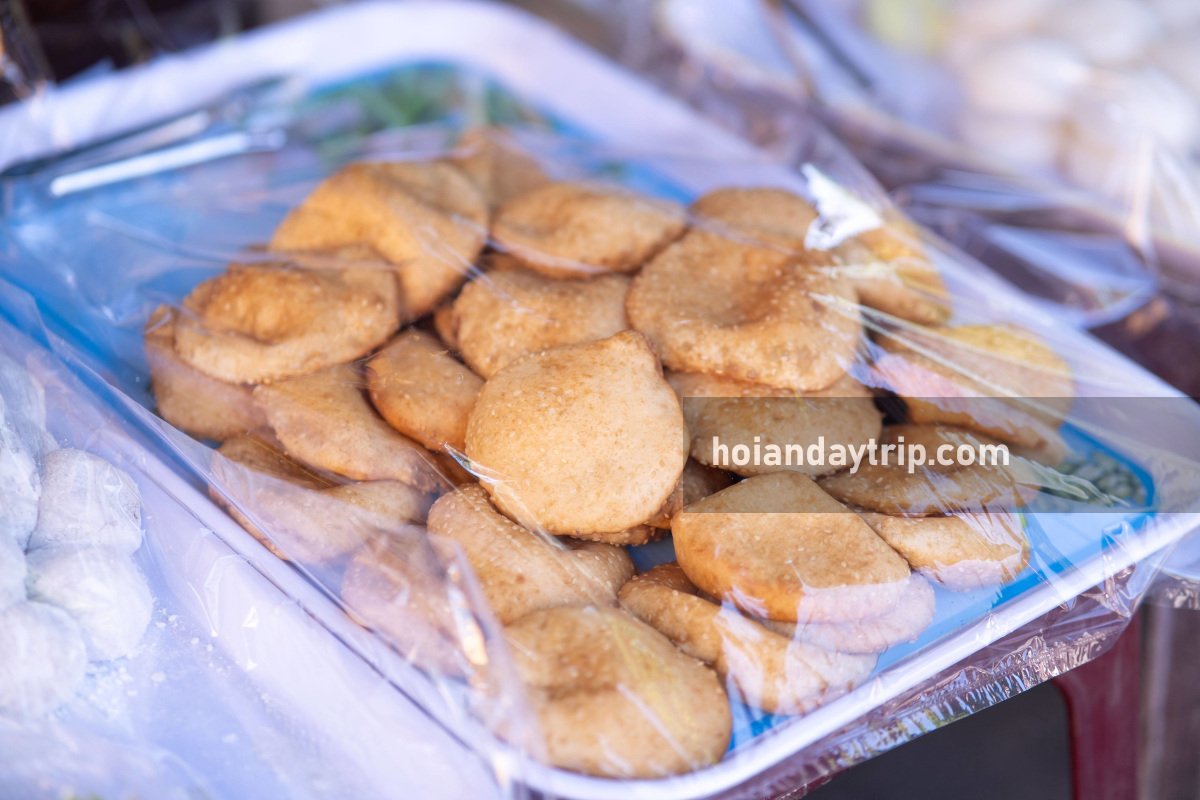
Banh Tieu (Hollow Donut)
Banh Bo (Cow Cake)
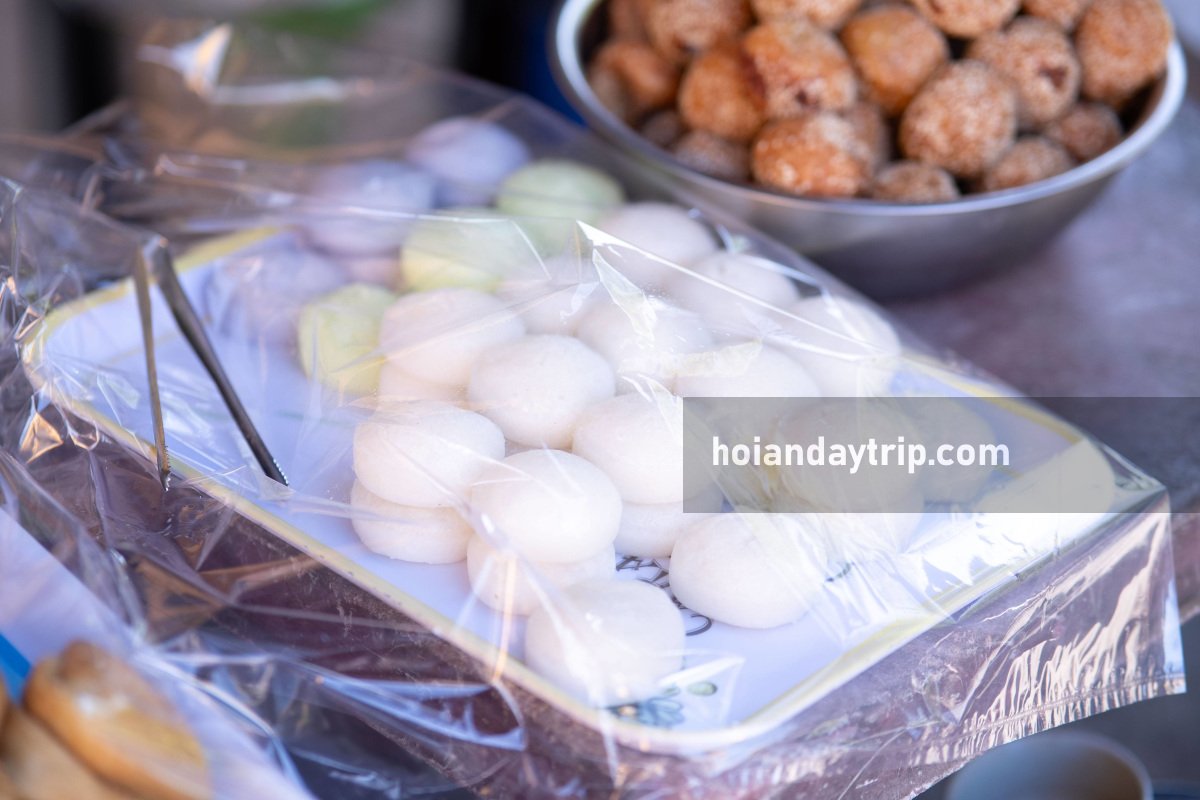
Banh U Tro (Lye Water Rice Dumpling)

Banh It (Ramie Leaf Rice Cake)
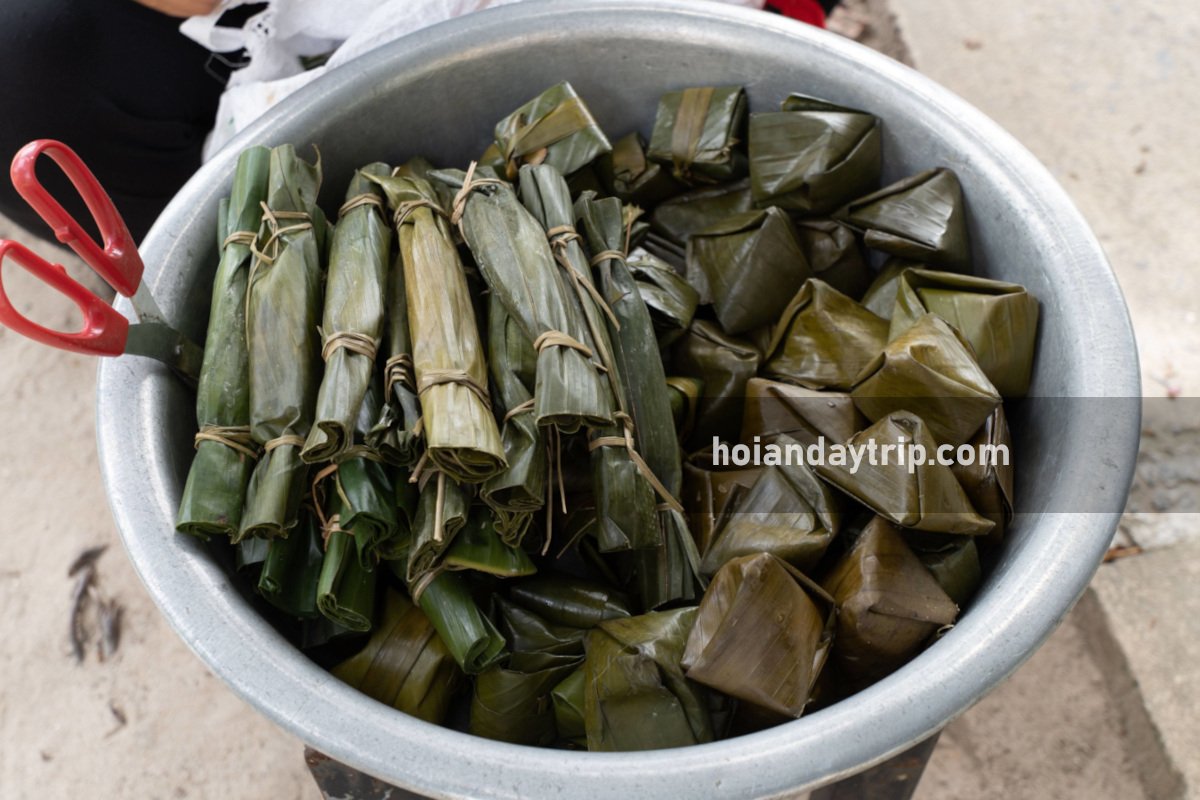
Banh Khoai Mon (Taro Cake)