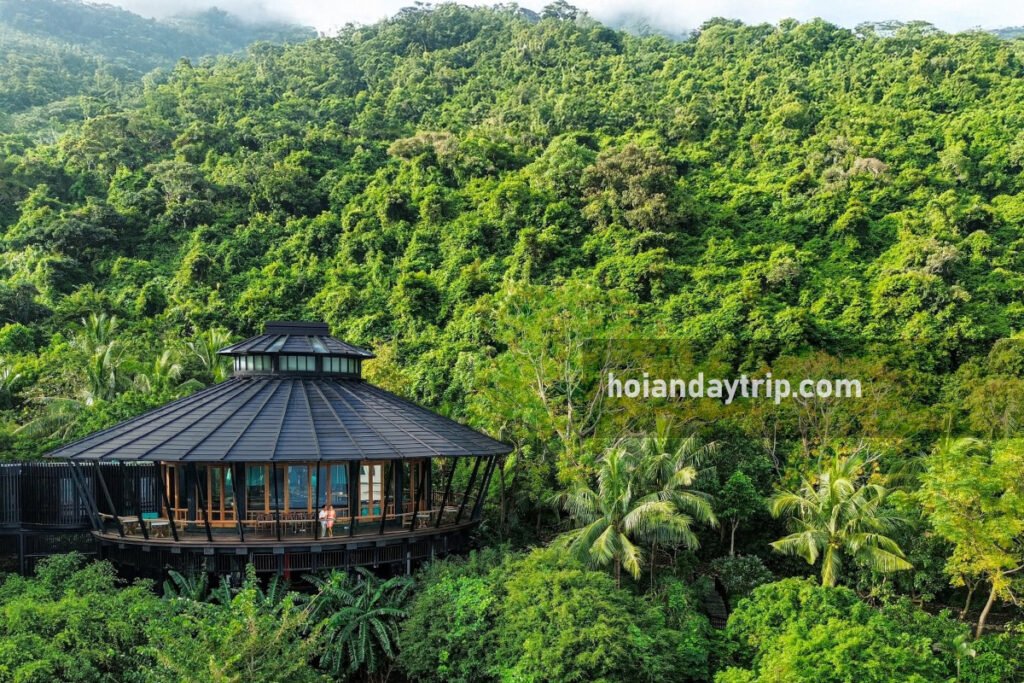
The climate at My Son Sanctuary follows a strict tropical cycle that splits the year into a blistering dry season and a torrentially wet monsoon period. Blazing sun and intense humidity bake the valley floor from February through August, whereas the remaining months bring a welcome drop in temperature alongside heavy downpours that frequently saturate the ancient landscape. In this article, HoiAn Day Trip Company provide all information about weather in My Son Vietnam and what to pack then.
You may also like: The Best Time to Visit My Son Sanctuary
• Content by Tam Le, founder of HOIAN DAY TRIP CO.,LTD
• Designed by Giang Cong Minh, co-founder of LS E&C LTD and his team
• Photo by Dang Cong Loi, Dao Xuan Son, Tam Le & others
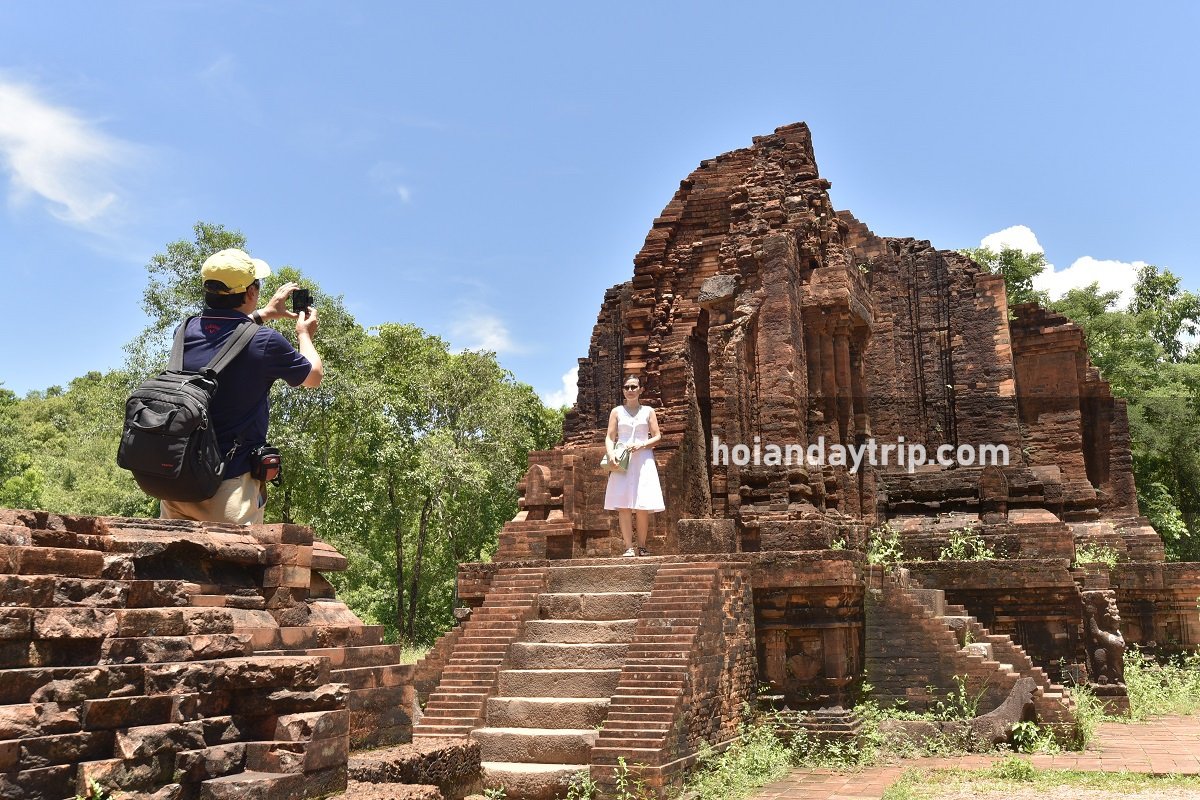
Must Knows about My Son Sanctuary Vietnam
– Location/address: My Son village, Duy Phu commune, Duy Xuyen district, Quang Nam province, Vietnam
– Name’s meaning: My Son means ‘beautiful mountain’, not ‘my son’
– How to pronounce: /mee son/
– Other name(s): My Son Ruins, My Son Holy Land, My Son Site, My Son Ancient Ruins, My Son Temples, My Son Cham Towers
– Area: 142 hectares
– Age: 4th to 13rd centuries
– Number of buildings: 71
– Opening hour(s): 6 AM to 5 PM everyday (latest 5:30 PM)
– Ticket price: 150,000 VND for foreign adults and children older than 15. It’s free for small ages, but parents still have to pay 30,000 VND for the transfer service.
– Reason(s) to visit: ancient Hindu temples amid dense jungles, a Unesco world heritage site, performances of Cham people
– Best time(s) to visit: early morning, late afternoon, sunny days
– Time to spend: 1,5-3 hours
– Recognition(s): national heritage, special national heritage, Unesco world heritage site (1999)
– Travel blog: https://hoiandaytrip.com/my-son-sanctuary-travel-guide
– Food & drink: yes availables
– Shopping: yes available
– Tour guide: contact us by +84968009827 (hotline/whatsapp/line/zalo)
– Fact: My Son Sanctuary is one of the most visited attractions in the region
My Son Sanctuary Vietnam on Map
Monthly Weather at My Son Sanctuary Vietnam
January
January marks the gentle tail end of the winter monsoon. The atmosphere is refreshingly cool and crisp, though overcast skies frequently linger overhead. While light, scattered drizzle can occur, the pleasant temperatures make it a fantastic month for exploring the open-air archaeological trails comfortably.
-
Average Temperature:
-
Average Rainfall: ~100 mm (3.9 inches)
February
February is widely favored by travelers seeking ideal weather. Clear blue skies return, humidity drops significantly, and the sun provides beautiful, bright natural illumination without intense heat. Rainfall plunges to its absolute lowest point, ensuring dry paths and excellent conditions for outdoor photography.
-
Average Temperature:
-
Average Rainfall: ~25 mm (1.0 inch)
March
March brings beautifully stable and warm spring conditions across the valley. The weather remains mostly dry and exceptionally clear, with rain becoming a rarity. This represents the peak travel window to appreciate the architecture under comfortable, sunny conditions before summer temperatures rise.
-
Average Temperature:
-
Average Rainfall: ~30 mm (1.2 inches)
April
Temperatures begin a steady upward march as spring draws to a close. April remains highly favorable, offering long hours of bright sunshine and minimal rain. However, the midday sun starts feeling noticeably stronger against the exposed bricks, making early morning visits smart.
-
Average Temperature:
-
Average Rainfall: ~45 mm (1.8 inches)
May
May introduces the true tropical summer, driving up both ambient temperatures and sticky humidity levels. Though skies stay clear and storms are unusual, the heavy solar radiation bakes the valley floor, requiring visitors to carry plenty of drinking water and sun protection.
-
Average Temperature:
-
Average Rainfall: ~75 mm (3.0 inches)
June
June brings peak summer heat waves to central Vietnam. The surrounding mountain amphitheater blocks breezes and traps hot air, resulting in intense midday temperatures. Visiting during the earliest morning hours is essential to explore the monuments before heat exhaustion sets in.
-
Average Temperature:
-
Average Rainfall: ~60 mm (2.4 inches)
July
The punishing summer heat shows no signs of slowing down through July. The ancient tower ruins absorb solar energy throughout the long, blazing days. While mostly sunny, the late afternoons occasionally bring brief, sudden heat-lightning showers that provide a temporary drop in temperature.
-
Average Temperature:
-
Average Rainfall: ~90 mm (3.5 inches)
August
August stays hot and highly humid, though increased cloud formations begin filtering the harsh afternoon sun. Sudden, heavy downpours become more common toward evening, serving as the initial warning sign that the annual wet monsoon season is gathering strength.
-
Average Temperature:
-
Average Rainfall: ~150 mm (5.9 inches)
September
September welcomes the official arrival of the wet monsoon cycle. Temperatures drop slightly from their summer peaks, but overall rainfall volumes surge dramatically. Extended, heavy cloudbursts occur frequently, saturating the jungle soil and making stone walkways slippery underfoot.
-
Average Temperature:
-
Average Rainfall: ~380 mm (15.0 inches)
October
October is historically the wettest, most turbulent month in the region. Torrential rainstorms dominate the calendar, occasionally accompanied by regional tropical depressions. The massive volume of precipitation can cause low-lying streams in the valley to swell, occasionally impacting site access.
-
Average Temperature:
-
Average Rainfall: ~580 mm (22.8 inches)
November
The monsoon maintains high intensity throughout November, delivering persistent rain showers and much cooler air to the valley. While tourist crowds drop to their lowest annual levels, visitors must prepare for wet clothing, damp conditions, and muddy trails.
-
Average Temperature:
-
Average Rainfall: ~430 mm (16.9 inches)
December
Rainfall begins to steadily decline by late December as the monsoon winds weaken. Temperatures fall to their lowest annual levels, creating a very refreshing, cool atmosphere. Scattered gray clouds and light drizzle persist, but the worst of the flooding risk passes.
-
Average Temperature:
-
Average Rainfall: ~235 mm (9.3 inches)
Guided Tours to My Son Sanctuary Vietnam
Here are popular guided tours to My Son Sanctuary:
– My Son Sanctuary Half Day Tour with Traditional Art Performance
– My Son Sanctuary Private Tour with Local Expert Guide
– My Son Sanctuary Early Morning Tour to Beat the Crowds
– My Son Sanctuary Afternoon Tour with Traditional Art Performance
– My Son Sanctuary Morning Tour with Thu Bon River Cruise
– My Son Sanctuary Afternoon Tour with Boat Trip on Thu Bon River
– My Son Sanctuary Sunset Tour to Avoid the Crowds
– My Son Sanctuary & Marble Mountain Tour
– My Son Sanctuary Tour with Chinese Speaking Guide
– My Son Sanctuary & Golden Bridge/Ba Na Hills Tour
– My Son & Hoi An Tour – World Heritage Site Tour
– My Son & Thanh Ha Pottery Village Tour from Hoi An
– My Son Sanctuary & Hoi An Coconut Village Tour
– My Son Sanctuary & Golden Bridge/Ba Na Hills Tour
– My Son Sanctuary & Tra Que Vegetable Village Tour
– My Son Sanctuary & Lady Buddha Tour from Da Nang
HOIAN DAY TRIP Company daily organizes tours and transfers to My Son Sanctuary. Contact us by +84968009827 (hotline/whatsapp/line/zalo) or hoiandaytripcompany@gmail.com or browse www.hoiandaytrip.com to see tours and make a reservation. Thank you very much!
Photos, Videos about My Son Sanctuary Vietnam
Here are beautiful photos and videos about My Son Sanctuary in Vietnam: