Diep Dong Nguyen House – Things to See in Hoi An Old Town
Diep Dong Nguyen House is one of the best preserved houses in Hoi An Ancient Town Vietnam. It’s a shophouse owned by Diep family which has its origin from Canton in southern China. In the past, traditional medicine, Chinese-written books
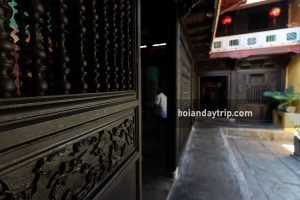
Best Old Houses in Hoi An – Things to See in Hoi An Old Town
Hoi An has more than 1,000 houses protected, making it the largest heritage town in Vietnam. Amongst them, many houses still preserve their original architecture and interior furnishing thanks to efforts from the owner’s family and from the government. They

Thai Phien Ancient House – Things to See in Hoi An Old Town
Thai Phien Ancient House is an interesting attraction in Hoi An Old Town, Vietnam. It’s constructed and preserved by a family with many generations living together. Here, history, daily life and traditional handicrafts of this family are exhibited and introduced by
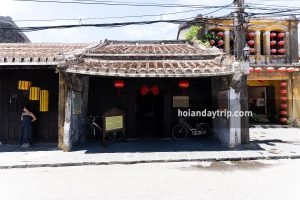
Quan Thang Ancient House – Things to Do in Hoi An Old Town
Quan Thang Ancient House is one of the best preserved houses in the Hoi An Ancient Town World Heritage Area. It’s also a typical one-storied traditional house where many generations of a local family have resided. Here, during the day,
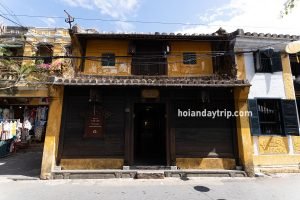
Tan Ky Old House – Best Things to Do in Hoi An Old Town
Although not the oldest, Tan Ky Old House is one of the best preserved and the most typical houses in Hoi An Ancient Town. Since being constructed, its architecture has been nearly unchanged, thanks to efforts from the local family
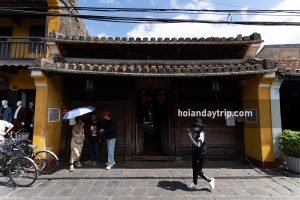
Duc An Old House – Best Things to Do in Hoi An Old Town
Duc An Old House is one of the best preserved houses in the Hoi An Ancient Town. Since the 19th century when it’s constructed, its architecture is almost unchanged. It used to be a bookstore, a Chinese traditional medicine shop,

Hoi An Basket Boat Ride: Location, Time, Cost, Tours & More
[Updated in November 2024] ‘Basket boat’ is a small round bamboo boat used by fishermen in central Vietnam, including Hoi An. Here, locals use it to carry visitors to explore the water coconut forests and participate in fascinating activities on
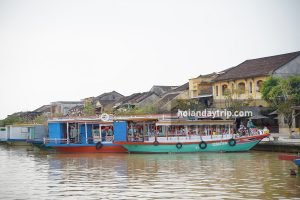
Hoi An Self Guided Walking Tour: The Best Old Town Itinerary
The Hoi An Old Town is a Unesco heritage site in Vietnam. The best way to explore it is walking and in many hours of the day, its main streets are just for pedestrians. The best attractions and historical sites

Hoi An’s Countryside – Non-Touristy Things to Do in Hoi An
Hoi An’s countryside is as stunning as Hoi An’s Old Town. It’s part of the Thu Bon River Delta that stretches around an area of 450,000 km2. Here, visitors can see peaceful villages, vast green or yellow rice fields, calm
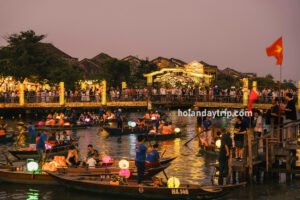
Hoi An Lantern Boat Ride: Location, Timing, Prices, Tours & More
[Updated in November 2024] When the sun goes down, the boat ride on the Hoai River is one of things not to miss in Hoi An. It’s popularly known as ‘Hoi An lantern boat ride’ because people will release paper
My Son Sanctuary Travel Guide – World Heritage Site in Vietnam
My Son Sanctuary is a complex of ancient Hindu temples and ruins, a Unesco world heritage site, and a popular tourist attraction in Da Nang/Hoi An. It served as the holy land for Cham kings to worship Shiva God, from
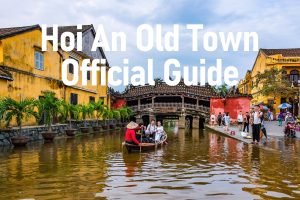
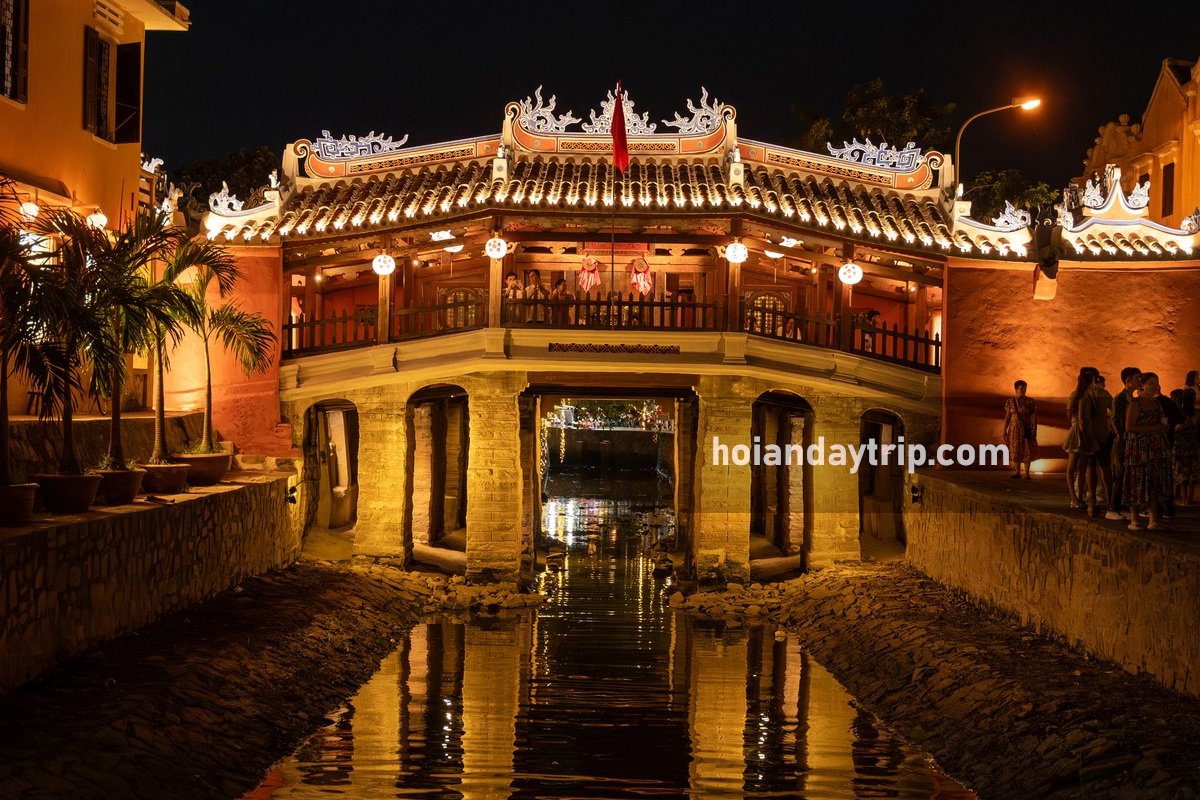
Hoi An Old Town Travel Guide – World Heritage Site in Vietnam
[Updated in November 2024] The Hoi An Old Town (or Hoi An Ancient Town) is the most famous tourist attraction in Hoi An city, Vietnam. It’s a well-preserved trading port dating back from the 15th to 19th centuries, with yellow